Flower Color Psychology Guide for Mood and Occasion
Rups Flowers and Gifts provides insights into the psychology of flower colors, helping customers select arrangements that convey specific emotions and moods.
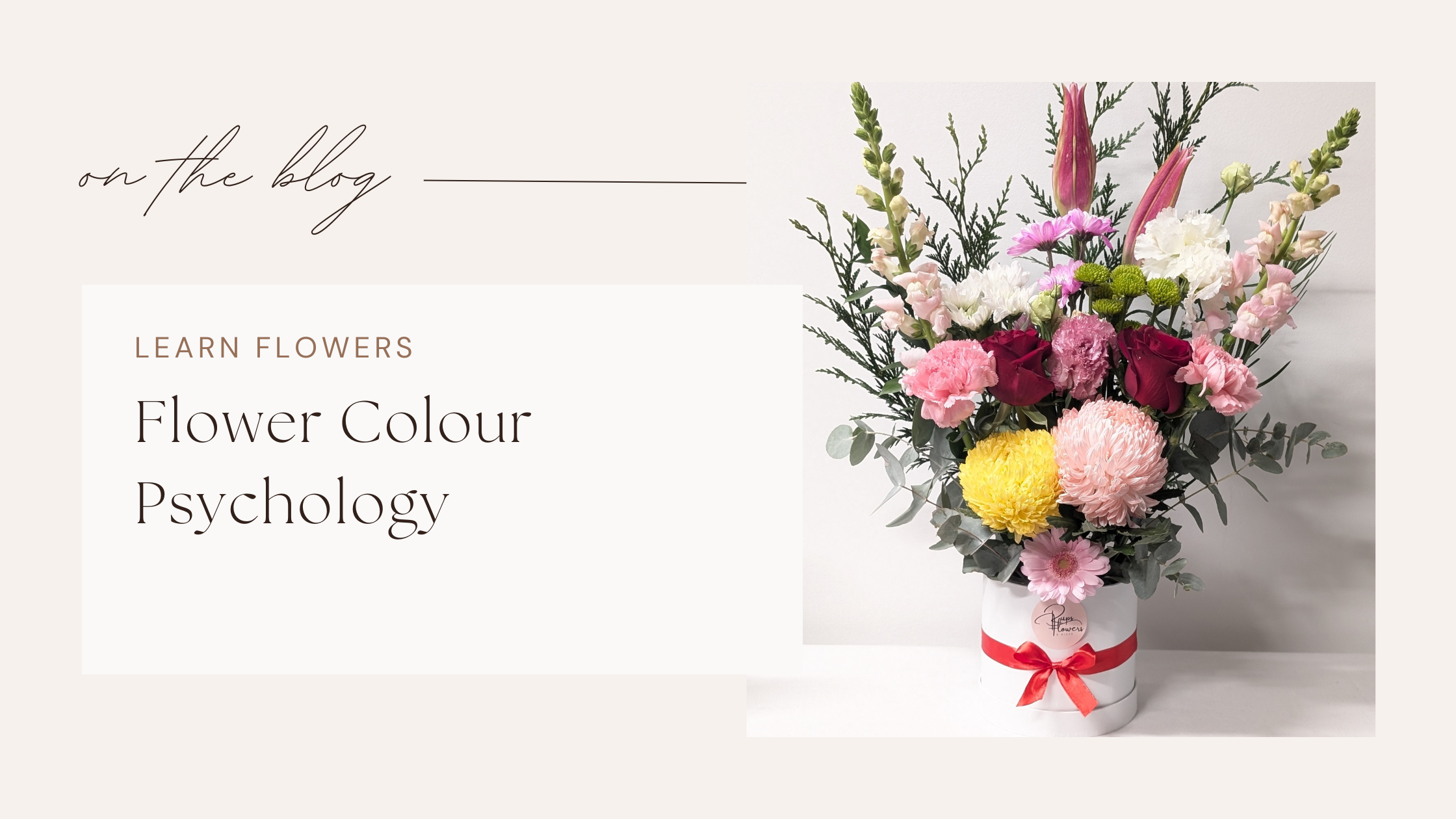
Understanding flower color psychology can significantly impact the emotions conveyed and the atmosphere created, according to insights from Rups Flowers and Gifts. The color of a flower influences the recipient's feelings even before scent, affecting mood and perception.
Blue flowers are associated with serenity, contemplation, and tranquility. Lighter shades evoke calmness, while darker blues like indigo suggest mystery. Green symbolizes renewal, balance, and grounding, making it suitable for get-well gifts or wellness spaces. Orange flowers are energetic, ideal for celebrations, congratulations, and vibrant decor.
Pink conveys gentle affection and admiration, perfect for birthdays and new beginnings. Purple shades range from luxury and royalty in deep tones to calmness in lighter lavender hues. Red signifies passionate love and romance, a classic choice for Valentine's Day and anniversaries. White represents purity, peace, and new starts, suitable for weddings, baptisms, and expressions of sympathy.
Yellow flowers evoke cheerfulness and optimism, brightening spaces and uplifting moods. They are well-suited for joyous occasions like birthdays and housewarmings.
Beyond gifts, flower color choices can transform personal spaces. Orange and yellow flowers create bright, energetic atmospheres for living areas or kitchens, while calming colors like light blue or lavender are recommended for bedrooms to promote relaxation.