FMI Farms Highlights Cultural Significance of Flowers
FMI Farms, a wholesale flower supplier, has released information detailing the historical and cultural importance of flowers. The company emphasizes their long-standing role in human society for expression and celebration.
FMI Farms, a wholesale flower distributor, is shedding light on the deep cultural significance and historical role of flowers in human society. The company notes that for thousands of years, flowers have been integral to expressing emotions, commemorating occasions, and serving as a form of symbolic communication.
Ancient civilizations, such as the Greeks and Romans, associated flowers with their deities. During the Middle Ages, flowers became a means of conveying emotions and messages through arrangements. Today, flower symbolism remains a vital aspect of culture, used in decoration, emotional expression, and religious ceremonies.
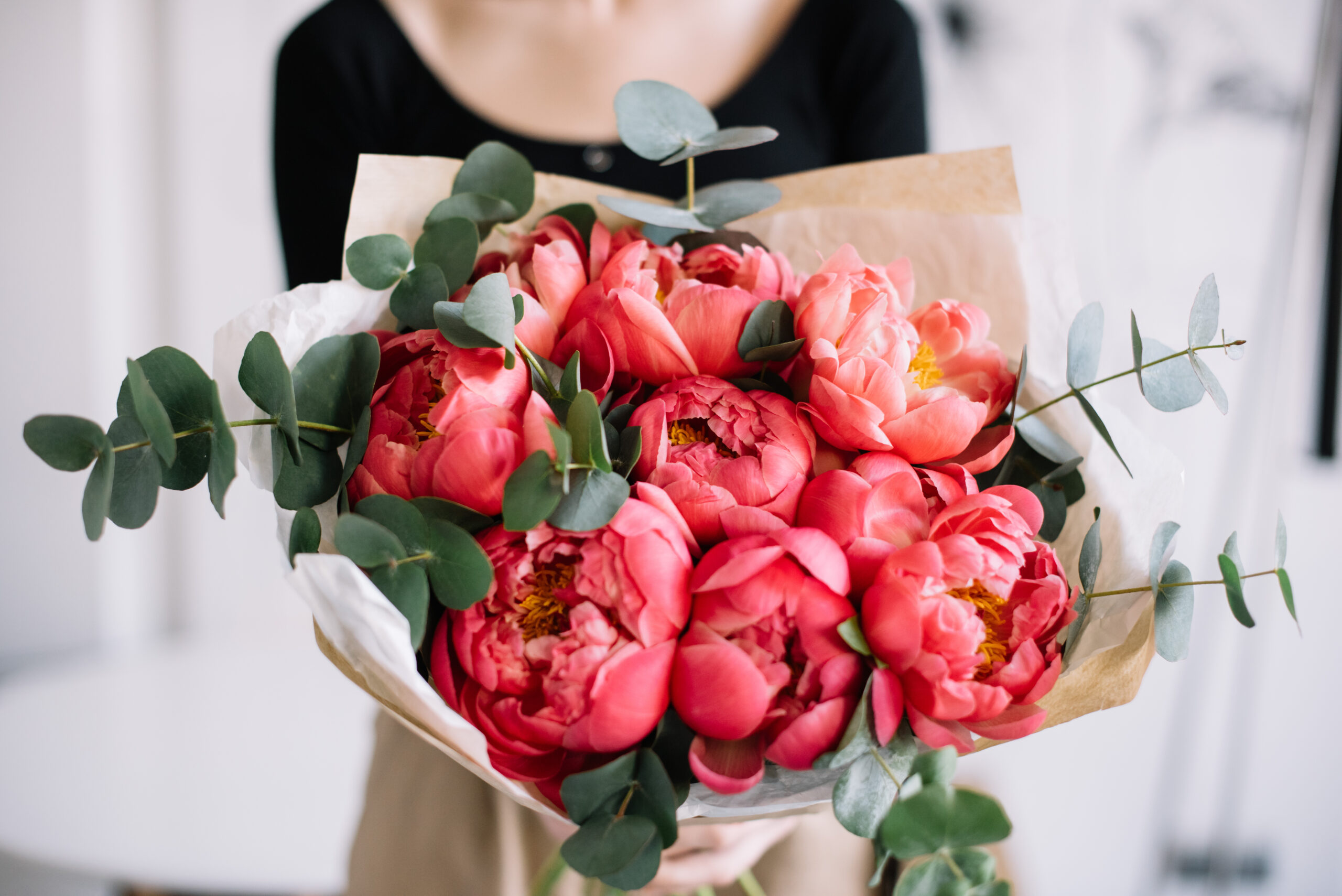
Flowers are an essential element of weddings, with their symbolism contributing to the event's atmosphere. Roses, for instance, represent love and passion, while white roses signify purity and innocence. Lilies convey purity and devotion, and peonies represent happiness and prosperity. Flowers adorn wedding venues from the altar to reception spaces, with the bridal bouquet holding particular symbolic weight.
Flowers also play a significant role in funerals and mourning, symbolizing the cycle of life, death, and rebirth. In Christianity, lilies may represent resurrection, while in Buddhism, white flowers highlight life's impermanence. Furthermore, the colors and number of flowers carry different meanings across cultures, influencing their appropriateness for various events. FMI Farms suggests considering this historical and cultural context when selecting flowers.