Food Banks Crucial for Strengthening Food Systems, Cargill States
Global food company Cargill highlights the vital role of food banks in combating hunger and reducing waste. These organizations connect food supply with community needs.
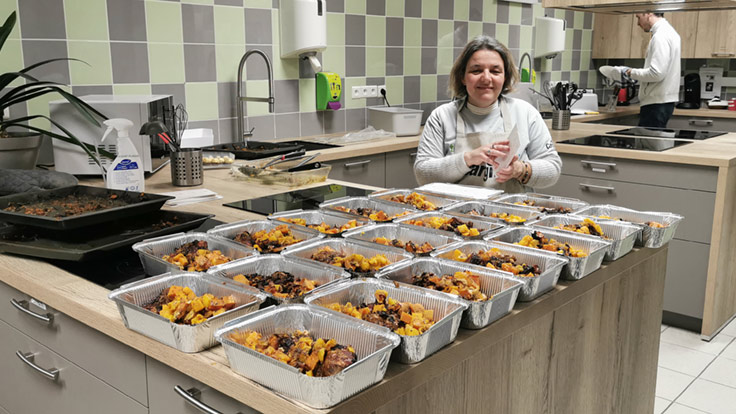
Global food and agriculture giant Cargill has emphasized the importance of food banks in strengthening food systems worldwide. The company points to food banks as key players in reducing food waste and improving local food access, particularly during times of crisis.
Cargill notes that over 300 million people globally face acute hunger, with food insecurity present in both high-income and low-income nations. The company asserts that while sufficient food exists, a significant portion is lost throughout the global supply chain, at retail, and within households. In the United States alone, an estimated 133 billion pounds of food, valued at $161 billion, is wasted annually.
Food banks serve as intermediaries, collecting substantial amounts of food and redistributing it to smaller, local food shelves and pantries. This process ensures that nutritious items like fruits, vegetables, and whole grains reach individuals and families experiencing hunger. Cargill's partnerships, such as its collaboration with Second Harvest Heartland in Minnesota, are cited as examples supporting this effort.
Through its corporate giving, Cargill supports the distribution of millions of meals annually to global and local food bank partners. Company representatives stress the necessity of building sustainable partnerships that not only alleviate immediate hunger but also work towards its long-term prevention. Support for food banks is also highlighted as critical during natural disasters and other emergencies.