Food Packaging Faces New Scrutiny Over Regulations and Health Impacts
Stricter regulations and emerging health concerns are significantly increasing the complexity and cost of food packaging. Companies must adapt to new mandates and a deeper understanding of material impacts.
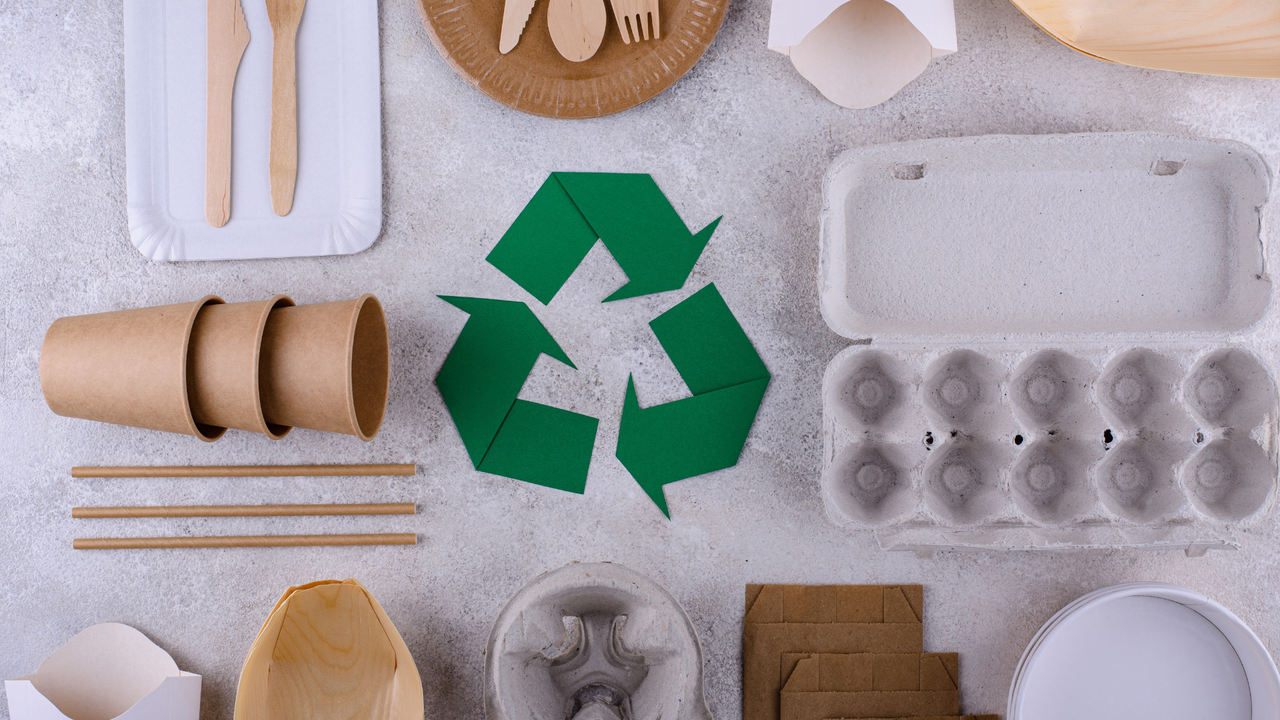
The landscape of food packaging is undergoing a significant transformation, driven by a convergence of regulatory pressures and growing awareness of health implications. Previously considered a secondary concern, packaging decisions are now becoming a central strategic point for consumer businesses.
New regulations, such as extended producer responsibility (EPR) laws in the U.S., are fundamentally altering the economics of packaging. These policies shift the financial burden of waste management onto producers, with weight-based fees that can amount to tens of millions of dollars annually starting in 2026. Simultaneously, stricter definitions and enforcement around environmental claims, like recyclability, are forcing companies to either remove misleading labels or redesign their packaging to meet actual, scaled recycling capabilities.
Furthermore, legislative efforts are pushing for absolute source reduction in packaging. Targets for significant material reduction by specific future dates require a fundamental rethinking of packaging formats across complex supply chains. Non-compliance carries substantial daily fines and potential market access restrictions, underscoring the urgency for adaptation.
Beyond environmental concerns, evidence is mounting regarding the health impacts of food packaging. Reports estimate that hundreds of metric tons of microplastic particles are released from packaging into food systems globally each year. This translates to significant individual ingestion, with exposure levels varying based on material type, packaging design, and use conditions such as heat and friction. This positions packaging design as a critical factor in product integrity and human health.
Companies are advised to begin by consolidating fragmented packaging data for a comprehensive view. Prioritizing changes based on high-volume products will yield the most significant financial and environmental benefits. While the current shift may feel chaotic, it is seen as a necessary catalyst for moving towards a more circular and sustainable packaging future.