Fortum Calculates Lifecycle Emissions for Loviisa Nuclear Power Plant
Fortum Oyj has released a lifecycle assessment for its Loviisa nuclear power plant, showing electricity generation emissions at 6.08 g CO₂e/kWh. The study covers the entire nuclear lifecycle from cradle to grave.
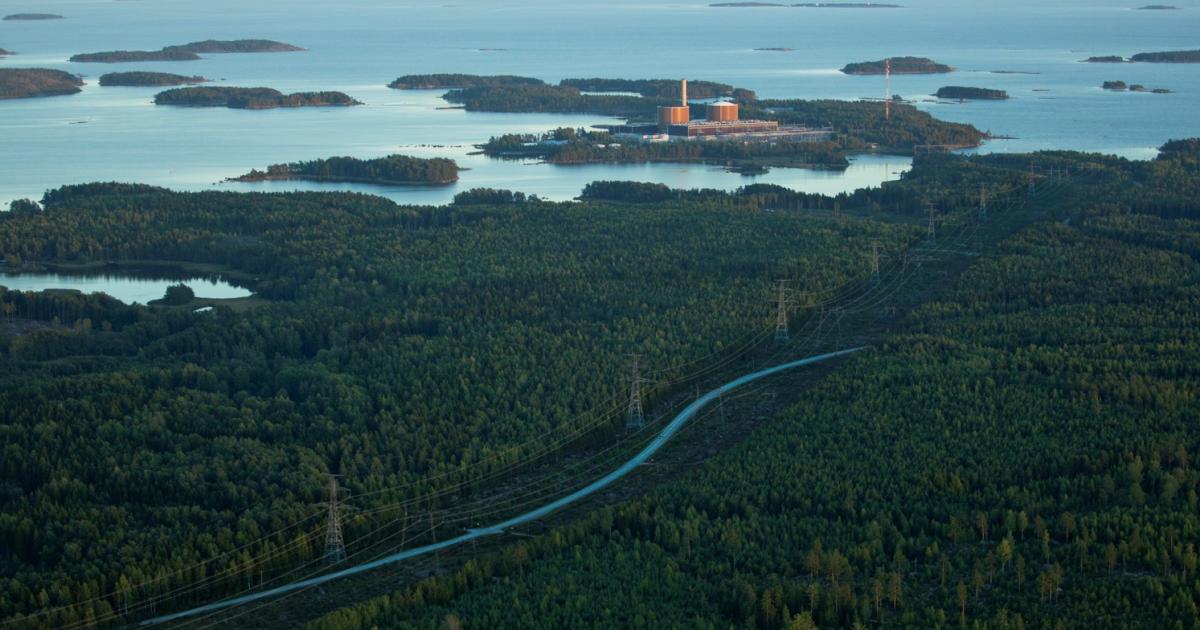
Espoo, Finland – Fortum Oyj has published a new lifecycle assessment for its Loviisa nuclear power plant, quantifying the carbon footprint of the electricity it produces. The assessment reveals that the lifecycle emissions for electricity generated at the plant are 6.08 grams of carbon dioxide equivalent per kilowatt-hour (g CO₂e/kWh).
According to Fortum, these findings position nuclear power as a low-emission energy source, with lifecycle emissions comparable to wind power and, on average, lower than hydro and solar power, citing UNECE 2022 data. The Loviisa plant's lifecycle analysis follows a comprehensive "cradle to grave" approach, encompassing all stages from uranium mining and plant construction to operation, decommissioning, and waste management, including the construction of the electricity grid.
The company emphasizes the importance of standardized scientific methods for accurately assessing the environmental impacts of energy production. Fortum states that the Loviisa nuclear power plant makes a significant contribution to climate change mitigation and achieving the goals of the Paris Agreement.
As the energy landscape evolves and Europe seeks to enhance its energy self-sufficiency, Fortum views nuclear power as a crucial component in providing stable, low-carbon energy solutions. The company advocates for the necessity of all low-carbon electricity generation technologies in meeting Europe's energy demands.