Four antidiabetic drugs withdrawn from German market
Four new antidiabetic medications have been withdrawn from the German market by their manufacturers. The reason cited is the lack of official recognition of additional benefit by German health authorities, highlighting systemic issues in drug assessment.
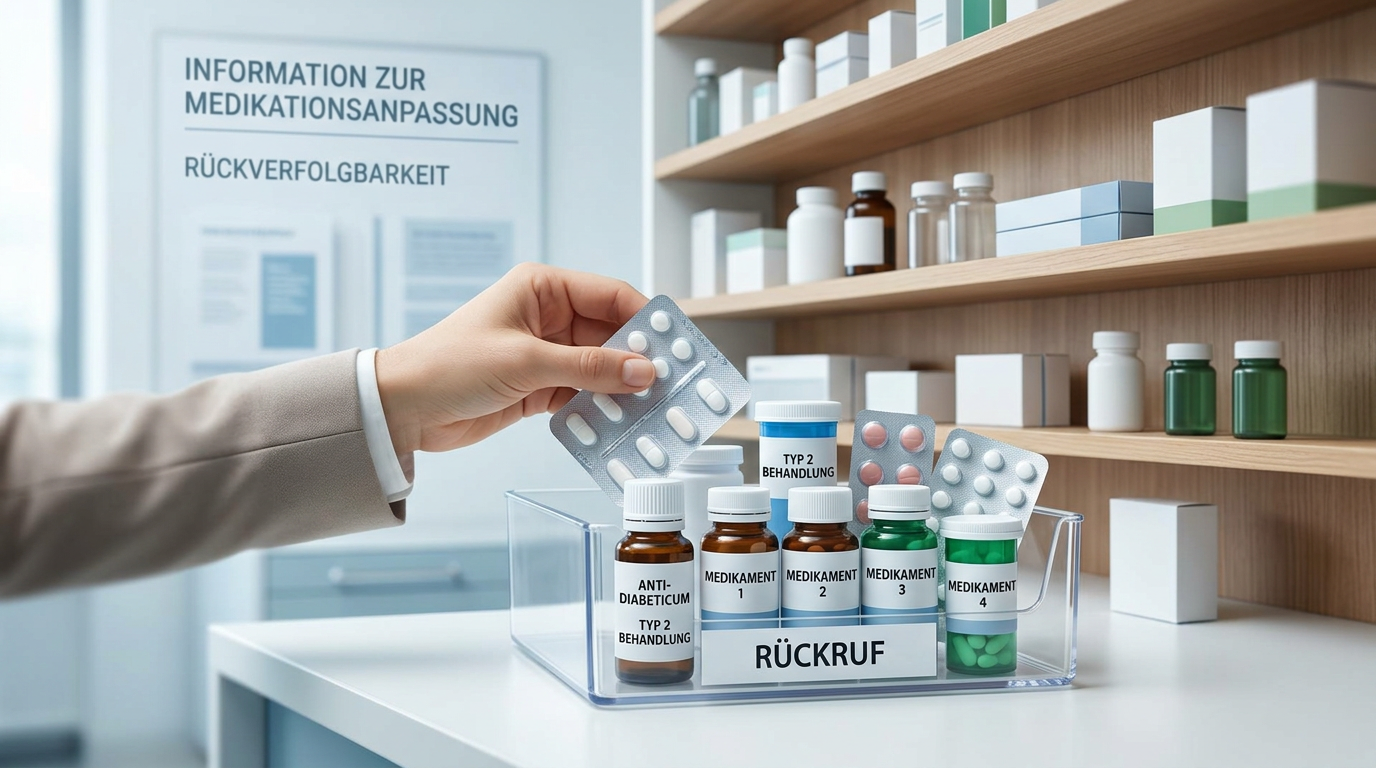
Four antidiabetic drugs, Linagliptin, Vildagliptin, Canagliflozin, and Lixisenatid, have been withdrawn from the German market in recent years. Manufacturers made the decision after the German Federal Joint Committee (G-BA) did not recognize any additional benefit for these medications. This lack of recognition significantly impacted price negotiations for reimbursement.
The withdrawals expose systemic challenges within Germany's early benefit assessment process for new drugs. Josef Hecken, chairman of the G-BA, acknowledged "serious imbalances" between different therapeutic areas. He explained that while oncological drugs often receive favorable assessments, chronic diseases like diabetes lack sufficient long-term data at the time of early assessment.
The situation has raised concerns about patient access to therapies and the economic viability of bringing new drugs to market. Boehringer Ingelheim, which co-marketed Linagliptin, stated they lacked prior experience with how a negative benefit assessment would affect price negotiations. They feared the negotiated price would not even cover manufacturing costs.
The German Diabetes Association (DDG) suggests that DPP-4 inhibitors could serve as a more appropriate comparator therapy, rather than older, cheaper drugs like sulfonylureas, whose therapy costs are mere cents per day. This makes it challenging for innovative drugs to remain competitive.
However, G-BA chairman Hecken pointed out that the committee can issue decisions with low certainty and set deadlines for further data submission if long-term effects are not yet clear. This option is not viable if a drug is withdrawn before such a decision can be made. Despite these issues, companies like Boehringer Ingelheim and Lilly are proceeding with new antidiabetics, such as Empagliflozin, hoping to negotiate favorable prices even without an initial positive assessment of additional benefit. The future of the early benefit assessment process is a topic for wider discussion, including within the "Pharma-Dialog."