Fragmentation of Rio Conventions Limits Indigenous Peoples' Influence
A new report indicates that despite improved recognition of Indigenous Peoples, the fragmentation of Rio Conventions limits their influence on climate change and biodiversity loss.
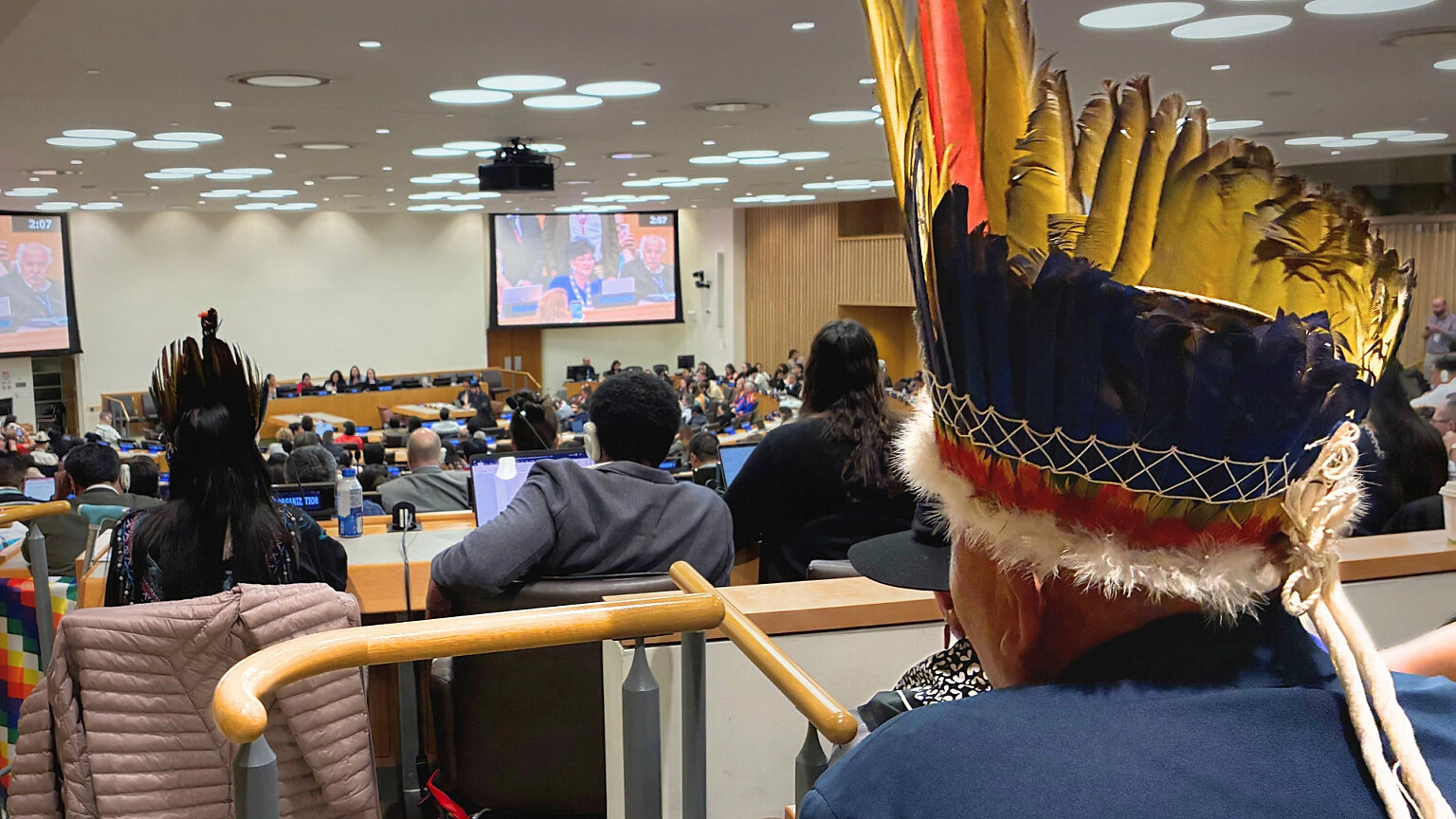
Obstacles and fragmentation hindering Indigenous Peoples' access to decision-making processes are reducing the effectiveness of United Nations conventions on climate change, biodiversity loss, and land degradation. Despite these challenges, the report proposes solutions that could enhance the role of Indigenous Peoples in global environmental protection.
The report finds that while recognition of Indigenous Peoples has grown, their ability to influence key international environmental agreements remains limited. This is partly due to the fragmented nature of these conventions and separate operational processes, which impede unified action and integrated participation by Indigenous Peoples.
These findings highlight the necessity of reforming international environmental governance. The report outlines recommendations aimed at overcoming persistent barriers and ensuring that Indigenous Peoples' expertise and perspectives are fully considered in achieving sustainability goals.
Indigenous Peoples have historically served as crucial stewards of natural resources. Integrating their traditional knowledge and practices into current environmental policies could offer more effective and sustainable solutions to global environmental challenges.