Fraunhofer Institute develops new toothpaste against periodontitis
Researchers at the Fraunhofer Institute have developed a substance that selectively inhibits periodontitis-causing bacteria without harming beneficial oral microbes. This technology has been commercialized into a new toothpaste.
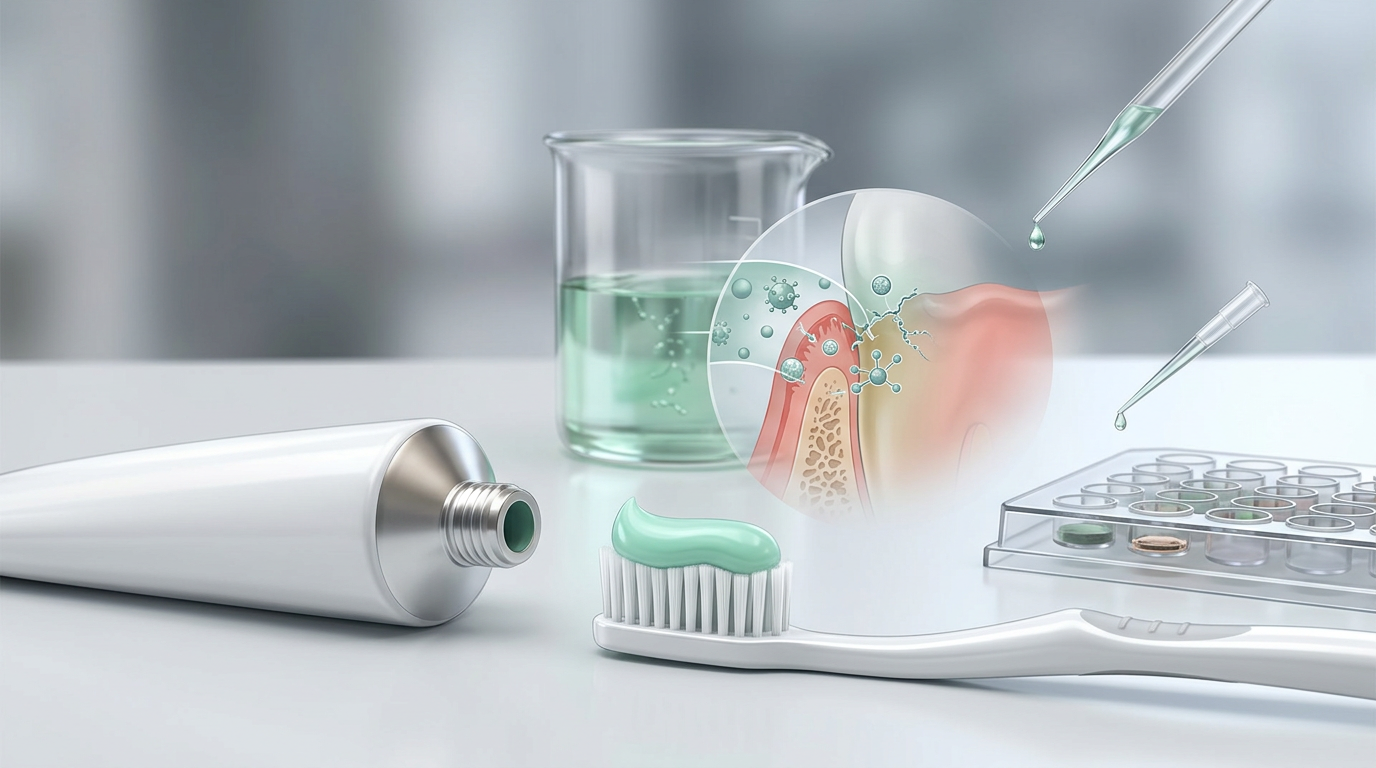
The Fraunhofer Institute for Structural Durability and System Reliability LBF has announced the development of a new toothpaste designed to combat periodontitis. The research identified a substance that specifically targets and inhibits the growth of harmful bacteria, such as Porphyromonas gingivalis, while preserving the natural balance of beneficial microbes in the mouth.
The newly developed compound, identified as guanidinoethylbenzylamino imidazopyridine acetate, does not kill the bacteria but rather blocks their growth. This mechanism allows the beneficial bacteria to re-establish themselves in the oral microbiome, aiding in the restoration and maintenance of a healthy balance.
Periodontitis is a widespread gum disease linked to various systemic health issues, including diabetes and cardiovascular diseases, if the causative bacteria enter the bloodstream. Traditional oral care products often use broad-spectrum antiseptics that can disrupt the oral flora, potentially leading to recurrent infections.
The technology, originating from an EU project, was further developed and a patent was secured by PerioTrap Pharmaceuticals GmbH, a spin-off company founded in 2018. PerioTrap has now launched a toothpaste incorporating this active substance, which also contains standard cleaning agents and fluoride for cavity prevention.