Freud's 130-Year-Old Observation on Mental Habits Explained by Neuroscience
A mental habit described by Sigmund Freud 130 years ago has been explained by modern neuroscience. Research suggests the human brain functions as a prediction engine, constantly working to minimize discrepancies between expectations and reality.
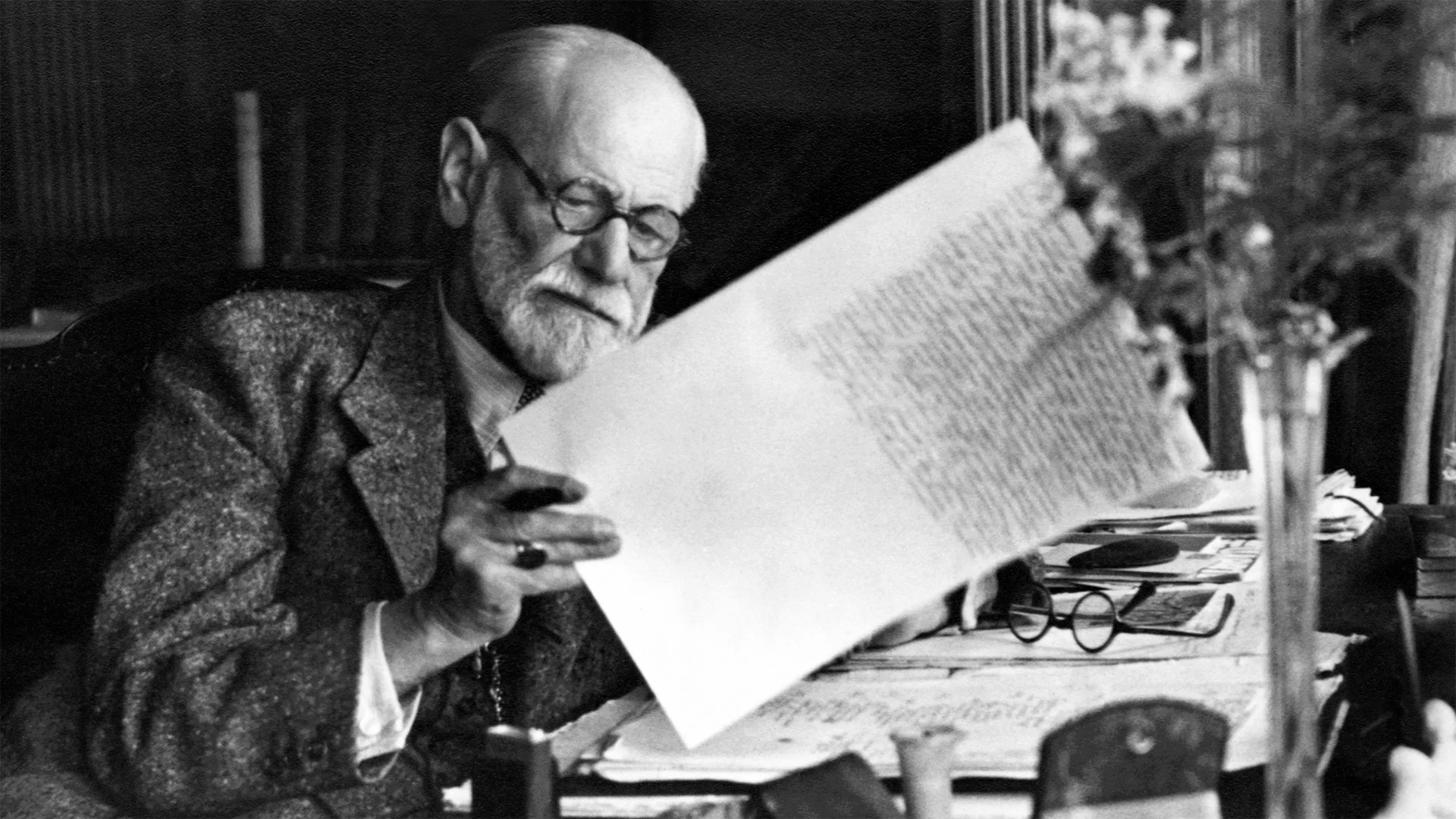
Sigmund Freud, the pioneer of psychoanalysis, described a concept known as projection 130 years ago, where individuals expect others' behavior to align with their past experiences. This concept has now found a parallel in modern neuroscience's "prediction paradigm." Research from the University of Oslo indicates that the human brain operates as a continuous prediction mechanism, striving to reduce the gap between expectations and actual sensory input.
This inherent need for predictability influences virtually all human actions, words, and feelings. For entrepreneurs and business leaders, understanding this often unconscious process can offer insights into managing teams and self-awareness. When reality deviates from our predictions, it causes discomfort, potentially leading individuals to unconsciously shape circumstances to fit their expectations.
For instance, if someone anticipates criticism based on past experiences, they might interpret neutral interactions as negative, thus fostering the very outcome they feared. This cycle can strain relationships and complicate daily professional life.
Business leaders can leverage this understanding by cultivating predictability and consistency in their own actions. A predictable leadership style can provide a sense of security and stability for employees, particularly during times of crisis or change. While unconventional leaders may garner attention, consistent problem-solving often forms the bedrock of successful companies.
Furthermore, patience with others' predictions is crucial. Once an expectation is formed, it is difficult to alter. Recognizing the brain's predictive nature helps explain resistance to new information and why individuals may inadvertently contribute to fulfilling their own negative forecasts. This insight underscores the importance of managing expectations and fostering adaptability within organizations.