Fruit flies remember larval diet, influencing longevity
Research has identified a protein that carries a record of fruit flies' larval diet into adulthood, affecting their lifespan.
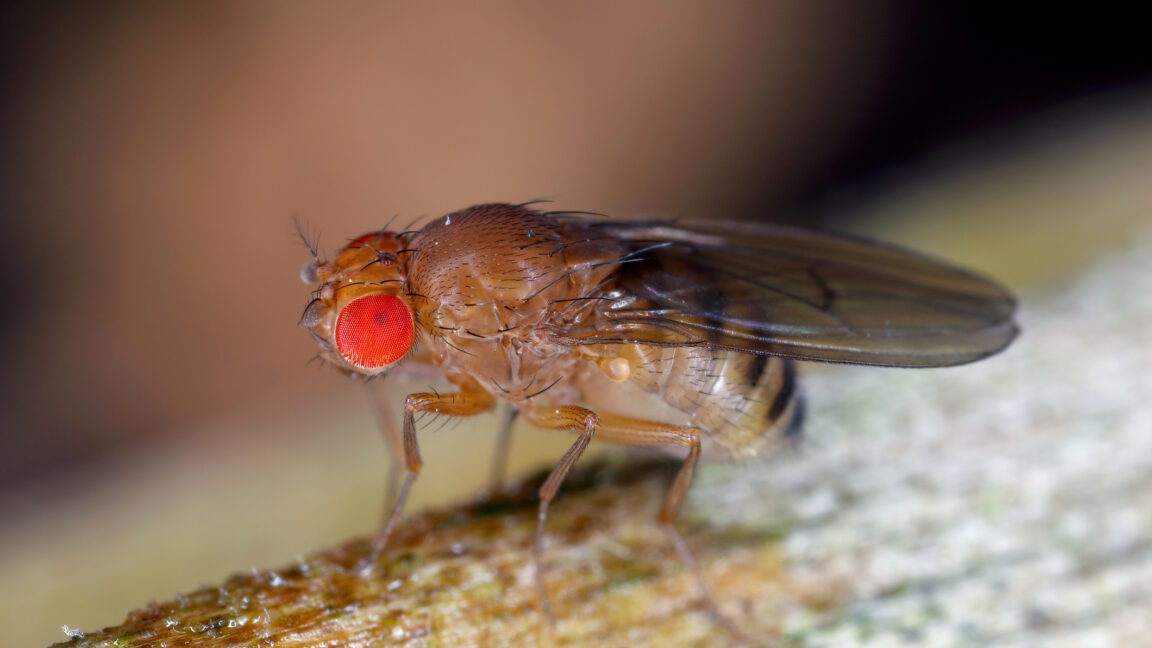
Researchers have identified a protein that acts as a memory of the diet consumed by fruit fly larvae, influencing their longevity as adults. The findings build on earlier observations from the 1930s that restricted diets in young animals could lead to longer lifespans.
In the study, fruit fly larvae were fed a diet with significantly reduced protein content (yeast) during the latter half of their larval period. Once they emerged as adults, the flies were returned to a standard diet. Despite this change, the effects of the restricted larval diet persisted.
The newly identified protein appears to transmit information about the early diet to the adult stage. This mechanism offers a potential explanation for how early nutritional experiences can have lasting health impacts, a phenomenon previously observed in species like water fleas and rats.
The research sheds light on the biological basis of long-term health effects influenced by development and nutrition. While conducted on fruit flies, the findings may offer insights into similar mechanisms in other organisms.