Fruit Fly Study Reveals New Paths for Brain Injury Repair
Researchers at Duke-NUS have discovered mechanisms in fruit fly neural stem cells that could enable brain injury repair. The findings may lead to therapies for age-related brain diseases.
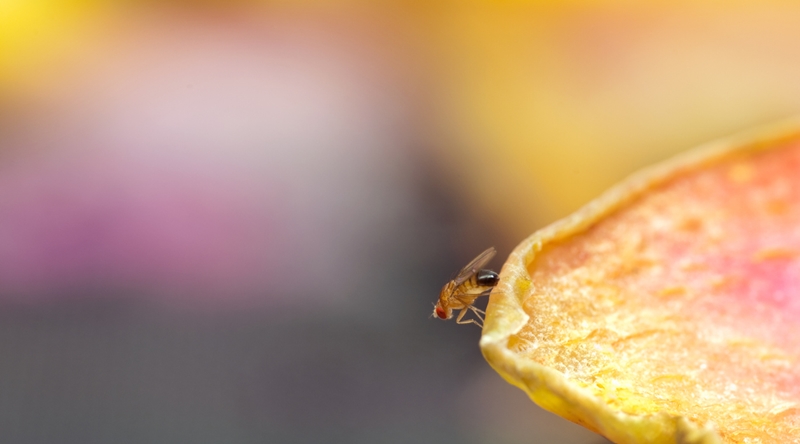
Researchers at Duke-NUS Medical School in Singapore have identified the regenerative capacity of injured protrusions from dormant neural stem cells (NSCs) in fruit flies. The findings, published in Developmental Cell in August 2023, establish fruit fly NSCs as a new model for understanding neuronal regeneration, potentially leading to treatments for repairing damage in aging human brains.
The study is the first to demonstrate that severed protrusions from fruit fly NSCs can regenerate. This capacity declines with age, mirroring the limited ability of mammalian neurons to regrow damaged connections as they grow older.
Researchers found that the Golgi apparatus, an organelle responsible for processing and sorting proteins, plays a crucial role in this regenerative capability. It acts as the microtubule organizing center within dormant NSCs. Microtubules provide structural support to cells, transport substances, and are essential for neuronal signaling.
The study also identified two Golgi proteins, Arf1 and Sec71, as important for reactivation. Together with the microtubule-binding protein Msps, they initiate microtubule growth, activating the dormant stem cells. Previous research by the same team has also highlighted the role of the protein Patronin in reawakening dormant NSCs.
These findings suggest a novel pathway involving Golgi proteins and microtubule regulators to switch quiescent NSCs into active, proliferative states. This could lead to new methods for stimulating NSC activation to treat injuries and neurodegenerative diseases, offering potential for future therapies for aging brains.