FTC Proposed Limits on Personalized Pricing May Increase Consumer Costs
Critics argue that the Federal Trade Commission's proposed restrictions on personalized pricing, intended to protect consumers, could paradoxically lead to higher prices and fewer discounts.
Critics are raising concerns that the Federal Trade Commission's (FTC) proposed limitations on personalized pricing might inadvertently increase costs for American consumers. The FTC's initiative, aimed at consumer protection, could potentially eliminate discounts and raise prices, according to these critics.
The FTC does not currently have the authority to ban personalized pricing outright. This practice involves businesses using individual customer data to determine the maximum price a person might pay for a good or service. However, the agency is exploring ways to regulate it, including potential penalties for companies that do not disclose when customers are charged more based on their data profiles.
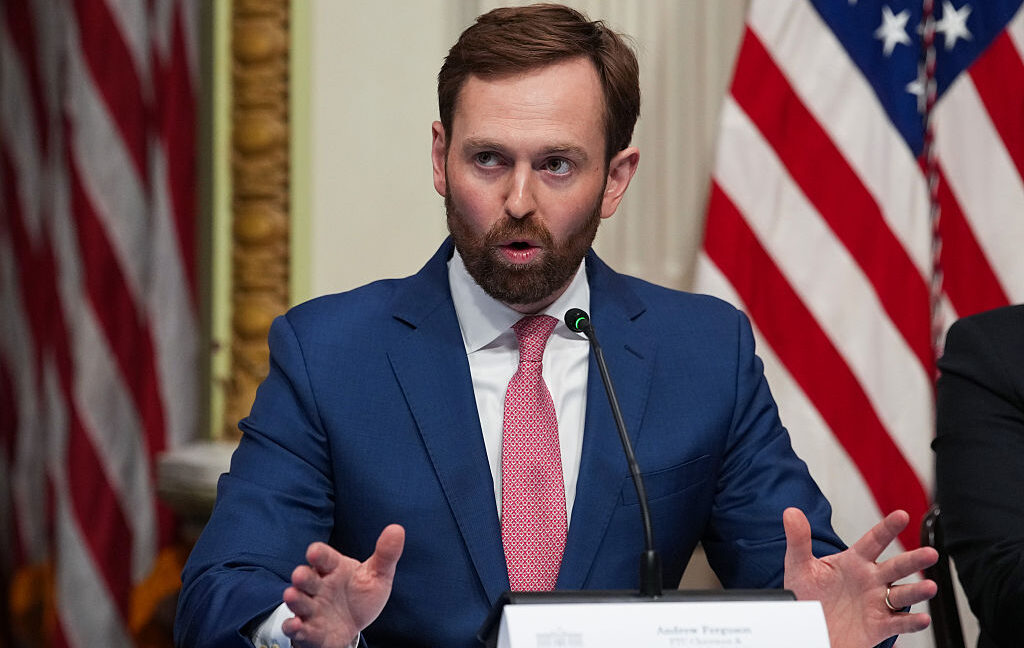
In a call for public comments on a draft policy statement, the FTC acknowledged the prevalence of personalized pricing in various sectors. FTC Chair Andrew Ferguson noted that an increasing number of industries are employing customer tracking to set individual prices. This practice can catch consumers off guard, as they typically expect a listed price in markets such as retail to be consistent for everyone.
While the FTC aims to curb potentially exploitative pricing strategies, critics contend that the proposed regulations could disrupt market dynamics. They argue that the move away from personalized pricing might remove competitive pressures that can drive down costs for some consumers, ultimately leading to a less favorable pricing environment.