FuelEU Maritime Pooling Service Uses Bio-LNG for Emission Reductions
The European Union's FuelEU Maritime regulation aims to cut shipping emissions. Gasum's bio-LNG pooling service helps shipowners meet the required targets.
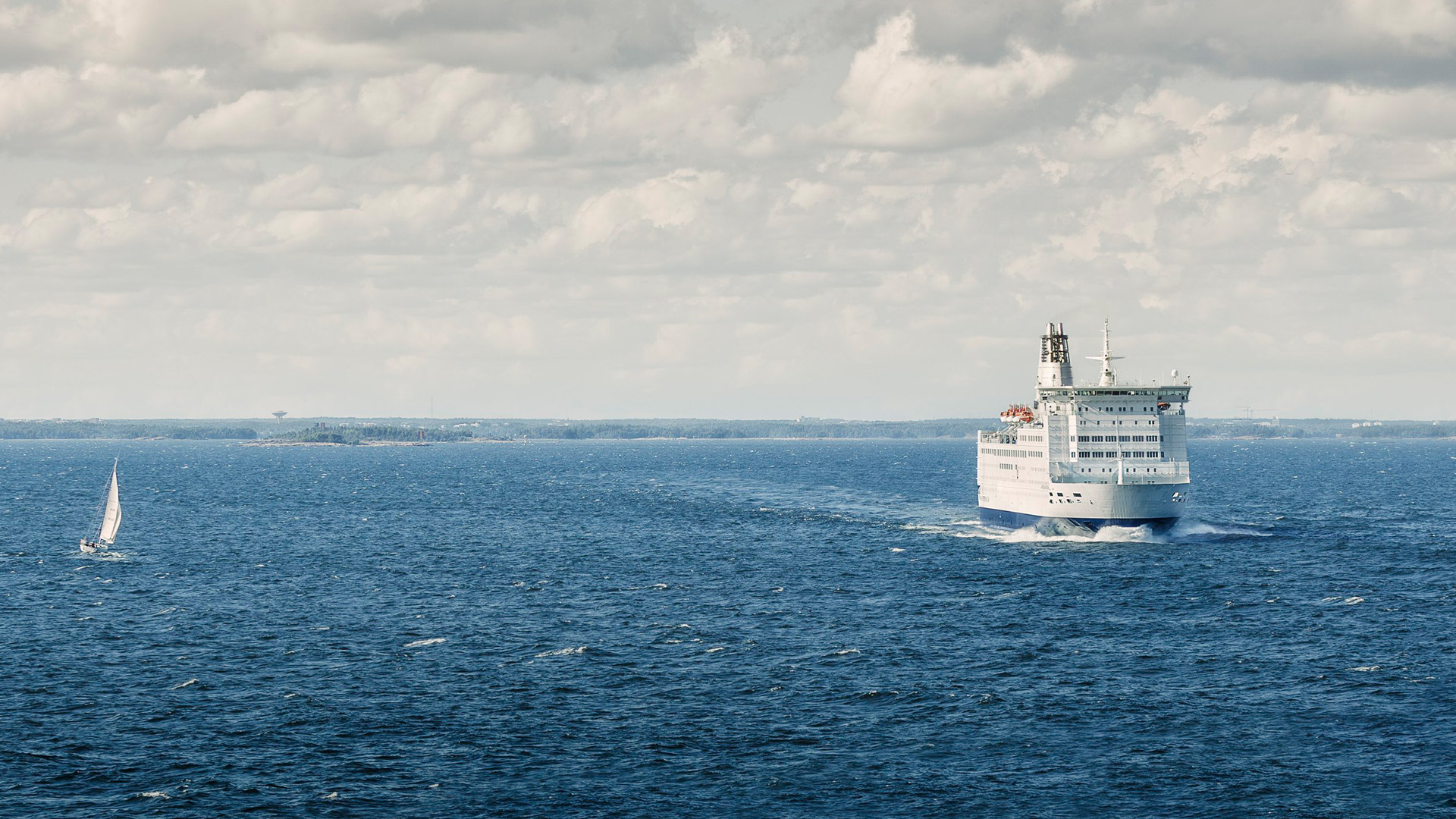
The European Union's FuelEU Maritime regulation, effective from the start of 2025, mandates that all ships of 5,000 gross tonnage and over calling at EU ports must reduce their fuel's carbon intensity.
The requirement is a 2% reduction by the end of 2025, incrementally increasing to 80% by 2050. Non-compliance will result in fines.
Using liquefied natural gas (LNG) provides the maritime sector with a strong starting point, as its lifecycle emissions are approximately 20% lower than traditional fuels. FuelEU Maritime also permits vessels to voluntarily "pool" emissions, allowing surplus emission reductions from some vessels to offset deficits in others.
Nordic energy company Gasum offers this as a service through its own FuelEU Maritime pool. In this service, designated vessels using bio-LNG supplied by Gasum generate emission reduction credits for other vessels within the pool. Viking Line's vessels on the Baltic Sea, for example, utilize such bio-LNG.
Bio-LNG is a fully renewable fuel with lifecycle emissions up to 90% lower than fossil fuels. It is a drop-in alternative to LNG without requiring technical modifications and can be produced from waste streams, even achieving negative emissions through manure management.