Functional Neurological Disorder: Understanding Evolves Beyond Misconceptions
Functional Neurological Disorder (FND), once dismissed as 'hysteria', is increasingly understood through neuroscience. The focus is shifting to brain network dysfunction rather than purely psychological causes.
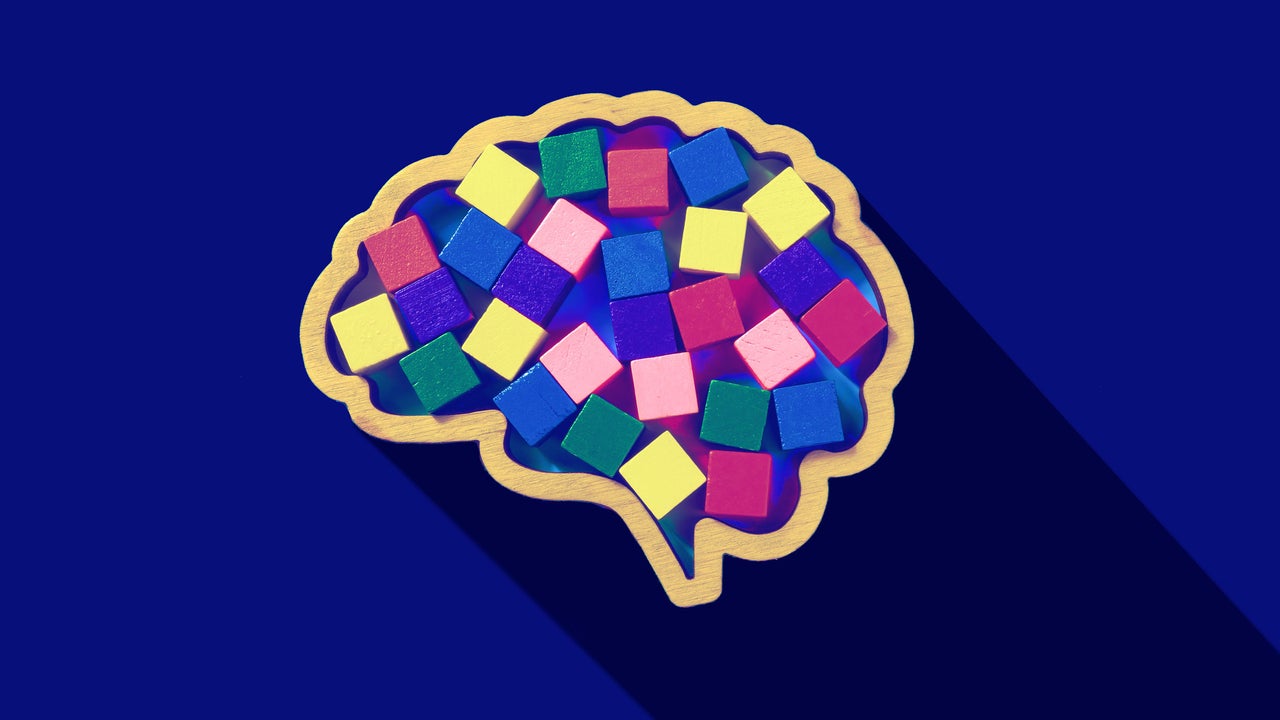
Functional Neurological Disorder (FND), a condition historically mislabeled as 'hysteria' or 'conversion disorder,' is gaining clearer recognition as neuroscience advances. Decades of patient uncertainty and dismissal are being challenged by a new understanding that centers on how brain networks function, rather than solely psychological factors.
Symptoms such as debilitating weakness, tremors, or seizures associated with FND are real and physically manifest, even when standard neurological tests like brain imaging show no visible damage or abnormalities. This disconnect previously led many patients to doubt their experiences, facing skepticism from healthcare providers.
Recent research points to disruptions in communication between different brain networks as a key mechanism in FND. Theories like 'predictive processing' suggest the brain constantly makes predictions about the world and the body. In FND, this prediction updating process may be impaired, causing the brain to rely on outdated predictions instead of new sensory information.
Factors like significant stress, illness, or injury may make individuals more susceptible to these communication breakdowns in the brain. While FND does not stem from a structural brain lesion, its symptoms can be profoundly disabling. Estimates suggest up to 5 million Americans live with the condition, which is associated with a mortality rate more than double that of the general population.
Access to specialized care remains a significant barrier, with a notable shortage of experts in the field. Limited formal education about FND within the medical community contributes to prolonged diagnostic journeys and continued misunderstanding for those affected.