Fungi Shown to Aid Carbon Sequestration in Arctic Fjord Sediments
Researchers at LMU Munich have revealed the significant role of fungi in the marine carbon cycle. A study in Kongsfjorden, Svalbard, demonstrates fungi's ability to effectively lock carbon into seafloor sediments.
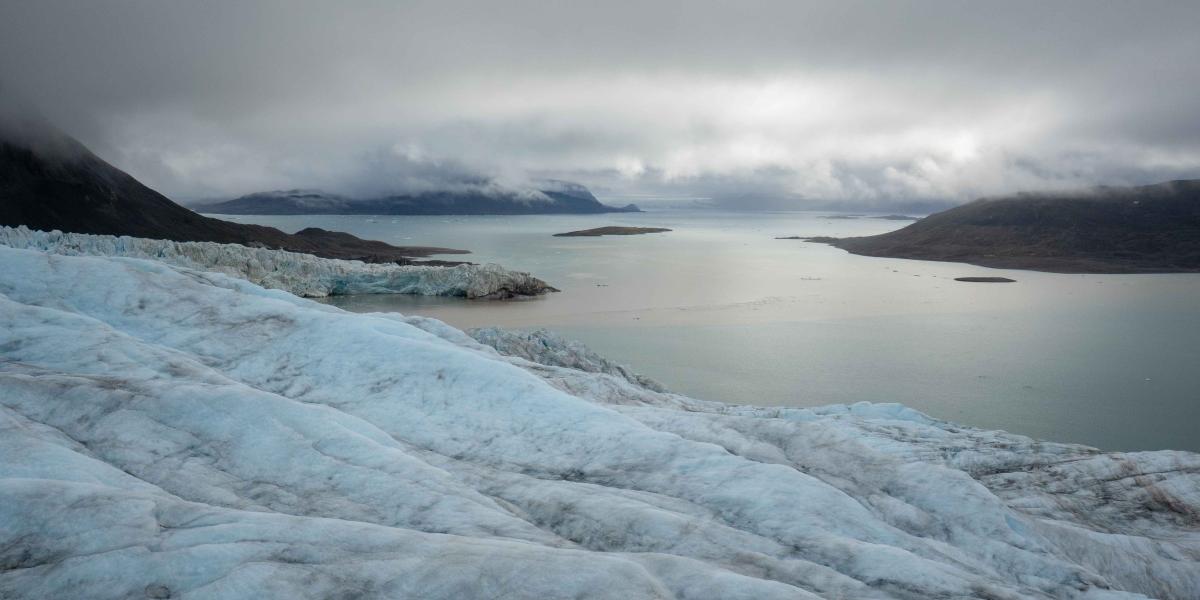
Ludwig-Maximilians-Universität München (LMU) researchers have identified a crucial, previously underappreciated role for marine fungi in the global carbon cycle. Their findings, stemming from a study in Kongsfjorden, Svalbard, indicate that these fungi play a significant part in sequestering carbon within Arctic fjord sediments, a process vital for long-term carbon storage.
The research, led by Professor William Orsi, focused on Kongsfjorden, a high Arctic fjord known for its efficiency in capturing and storing carbon. The study observed that fungi inhabiting the fjord's sediments are highly effective at assimilating dissolved organic matter (DOM). Instead of rapidly breaking down this organic material and releasing it as carbon dioxide, the fungi convert it into their own biomass, thereby retaining carbon in the seafloor.
While fungi's role in terrestrial carbon cycling is well-established, their contribution to marine sediment processes has been largely overlooked. The LMU study highlights their importance, particularly in the Arctic, where microbial activity in sediments dictates whether organic matter is stored or returned to the atmosphere. Using isotope-tracing techniques, the team tracked how fungi and bacteria utilized DOM across various habitats within the fjord.
Furthermore, the study discovered that the fungal communities in Arctic fjord sediments are distinct from those found in nearby terrestrial soils and overlying seawater. Professor Orsi noted that this efficient metabolism by marine fungi represents a significant, previously unknown mechanism for carbon storage in fjords, which are globally important geological settings for burying carbon beneath the seafloor.
Juan Carlos Trejos-Espeleta, a doctoral student at LMU and the study's lead author, emphasized the urgency of understanding Arctic ecosystems amidst rapid climate change. He suggests that the role of marine fungi in carbon sequestration, similar to their established function in terrestrial environments, is an area that warrants greater attention in future research.