Future Factories Could Reshape Global Manufacturing Competitiveness
AI and robotics are set to transform where production is economically viable, potentially boosting competitiveness in Europe and the US, according to a BCG report.
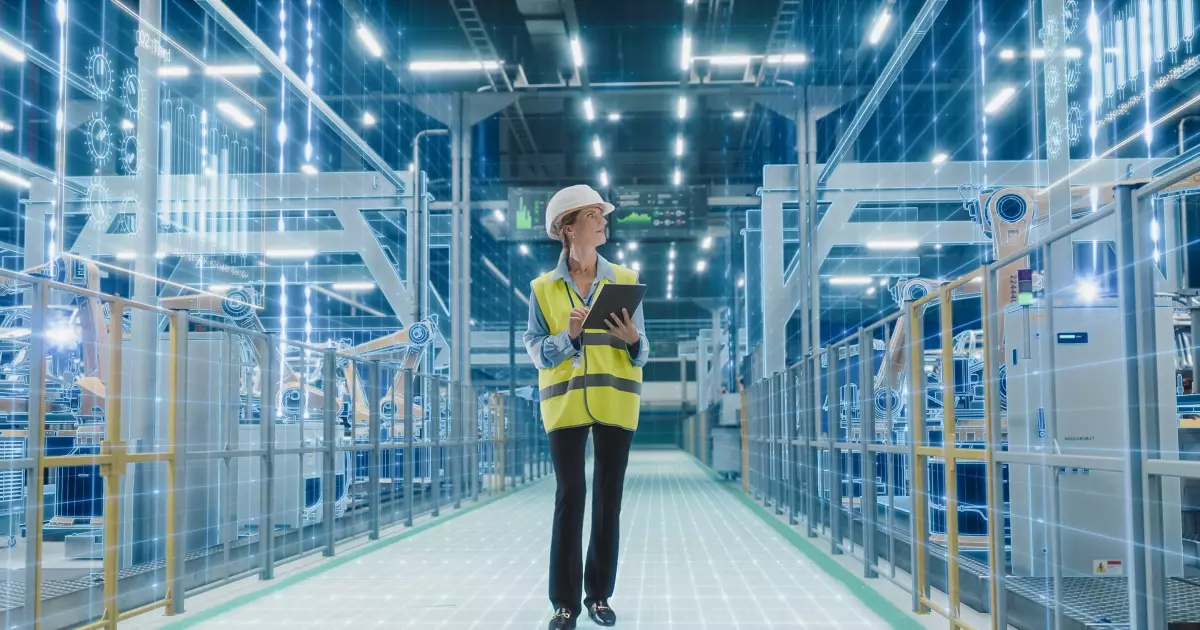
A new generation of factories leveraging artificial intelligence (AI) and advanced robotics is poised to reshape global industrial competitiveness, according to a study by Boston Consulting Group (BCG). This technological shift may make production in regions like Europe and the United States more economically viable compared to traditional low-cost manufacturing hubs.
BCG's research, which surveyed 1,000 industrial leaders and analyzed 54 countries, indicates that AI and automation can deliver productivity gains of up to 60% in certain industrial activities. These improvements simultaneously enhance cost-efficiency, yield, quality, production speed, and energy consumption.
The report warns that nearly $1 trillion in manufacturing value could be relocated away from Western Europe and the Nordic countries without significant technological investment. In the US, approximately $440 billion is at risk. Conversely, with adequate technological investment and supportive public policies, up to $712 billion could be preserved in Europe and $223 billion in the US.
However, the potential gains are sector-dependent. For instance, in France's food industry, a hyper-productive factory could offer an 18-percentage-point cost advantage over production in China. The chemical sector in France could see a 5-percentage-point advantage. In contrast, China is expected to maintain a significant lead in battery manufacturing.