Gaming's Secondary Market: Risks and Rewards
The secondary market for digital gaming items has evolved into a billion-dollar industry. However, trading virtual assets and accounts is fraught with legal gray areas and security risks.
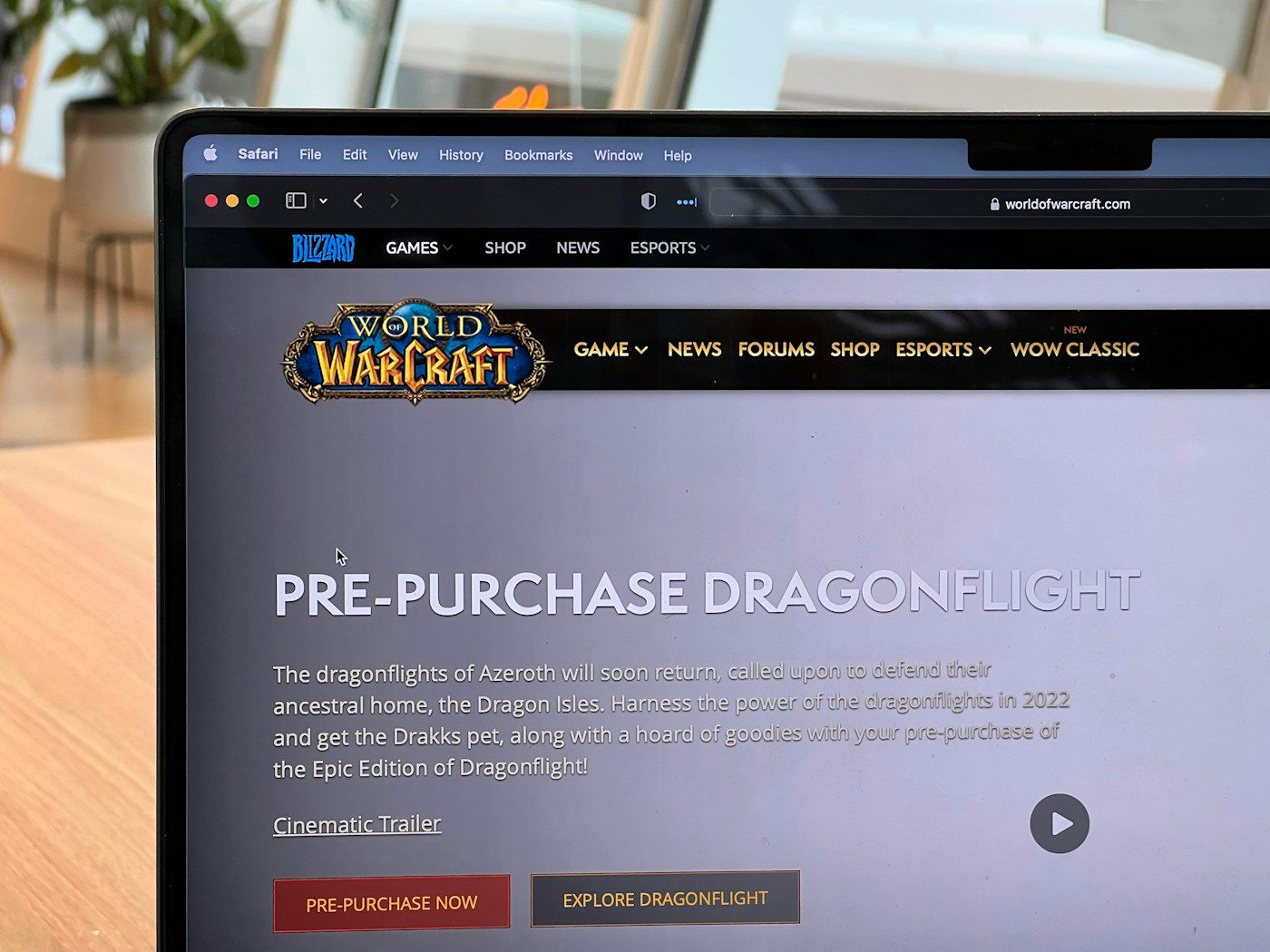
The trading of digital assets within video games, including virtual items and player accounts, has grown into a significant economic sector. While most game publishers prohibit such transactions in their terms of service, an active, often illicit, secondary market continues to thrive, presenting both opportunities and considerable risks to participants.
Legally, the sale of in-game items and accounts is often against the terms of service of game developers. Violators risk permanent account suspension. Although rulings exist in the EU regarding the resale of digital goods, game publishers generally hold significant leverage, meaning buyers may lose their purchases and access without recourse.
These unofficial marketplaces are common targets for scams. Sellers can reclaim accounts even after a sale by utilizing original payment details or account creation dates. Furthermore, these platforms can be vectors for phishing schemes and malware distribution. Unscrupulous actors may also exploit rare in-game items for money laundering through complex digital transactions.
Ethical debates surround the concept of a secondary market. Critics argue it devalues player achievement and compromises competitive integrity, as progress or rank can be bought. The influx of bot farms used to generate resources for sale can also disrupt in-game economies through inflation and negatively impact player communities.
For game publishers, the existence of a secondary market highlights a game's popularity but also represents lost revenue and increased support burdens from defrauded users. Some companies have responded by implementing account-bound items or establishing their own official marketplaces to gain control over the trade and monetize it.