Gasum: Biogas Production Potential in Europe Exceeds Current Capacity
The European Union aims for nearly 350 TWh of biomethane production annually by 2030. Gasum highlights significant untapped potential, particularly from agricultural feedstocks.
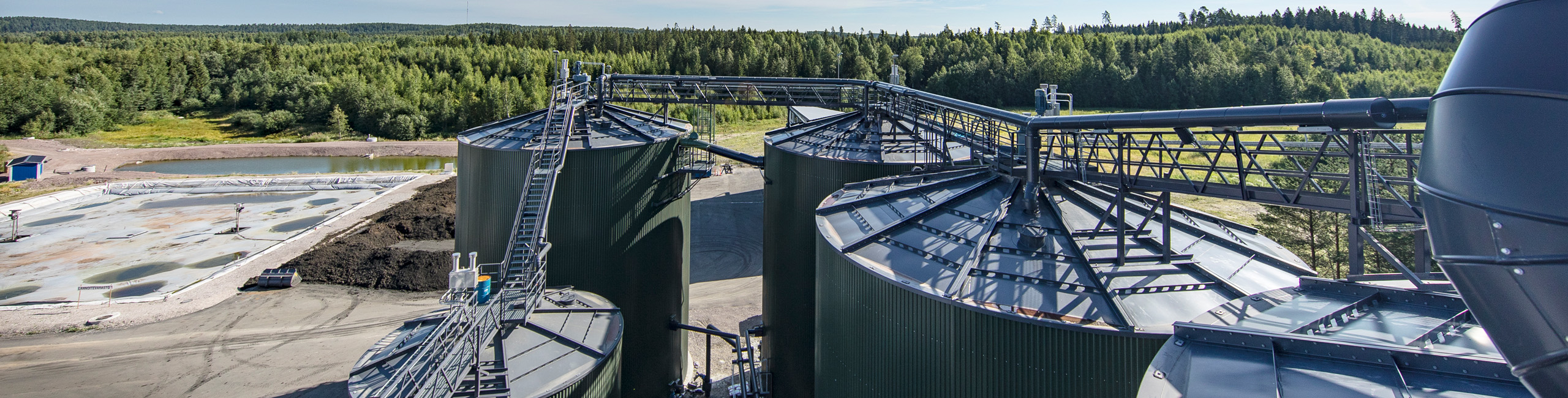
Energy company Gasum is emphasizing the substantial, yet largely untapped, production potential for biogas across Europe. The European Commission has set a target to increase annual biomethane production to nearly 350 terawatt-hours (TWh) by 2030 as part of the REPower EU plan, designed to reduce European reliance on Russian fossil energy sources.
According to Gasum's assessment, there is considerable underexploited potential in European biogas production. This stems from the vast amounts of biodegradable waste, including household and commercial waste, food industry side streams, wastewater sludge, and agricultural manure and field biomass, that are not yet fully utilized as feedstock. Gasum itself aims to bring 7 TWh of renewable gas to the market by 2027 through its own production and certified partners.
Significant opportunities are seen particularly in the utilization of manure and other agricultural side streams. Facilitating the use of manure in biogas production through incentives, similar to Swedish models, could boost its wider adoption. Gasum suggests that increasing biogas production to replace fossil fuels is a "low-hanging fruit," as the production technology already exists. The primary needs are for new production facilities and more efficient feedstock management.
The demand for biogas as a fuel, especially liquefied biogas (LBG) for heavy-duty transport, is driven by high demand and the need to reduce emissions. Biogas reduces a fuel's lifecycle emissions by up to 90%. When produced from sources like manure, it avoids methane emissions associated with traditional manure management, potentially leading to over 100% lifecycle emission reductions, aligning with circular economy principles of converting waste into valuable energy.
In the future, the production of synthetic methane via power-to-gas (P2G) technology is also expected to increase the supply of renewable gases. Gasum anticipates both the demand and supply of biogas to multiply in the coming years and intends to play its part in facilitating this growth.