Gelken Clarifies Differences Between Hydrolyzed and Undenatured Type II Collagen
The nutraceutical industry is seeking science-backed ingredients for joint health. Gelken, a Chinese collagen supplier, explains the distinct applications and mechanisms of hydrolyzed versus undenatured Type II collagen.
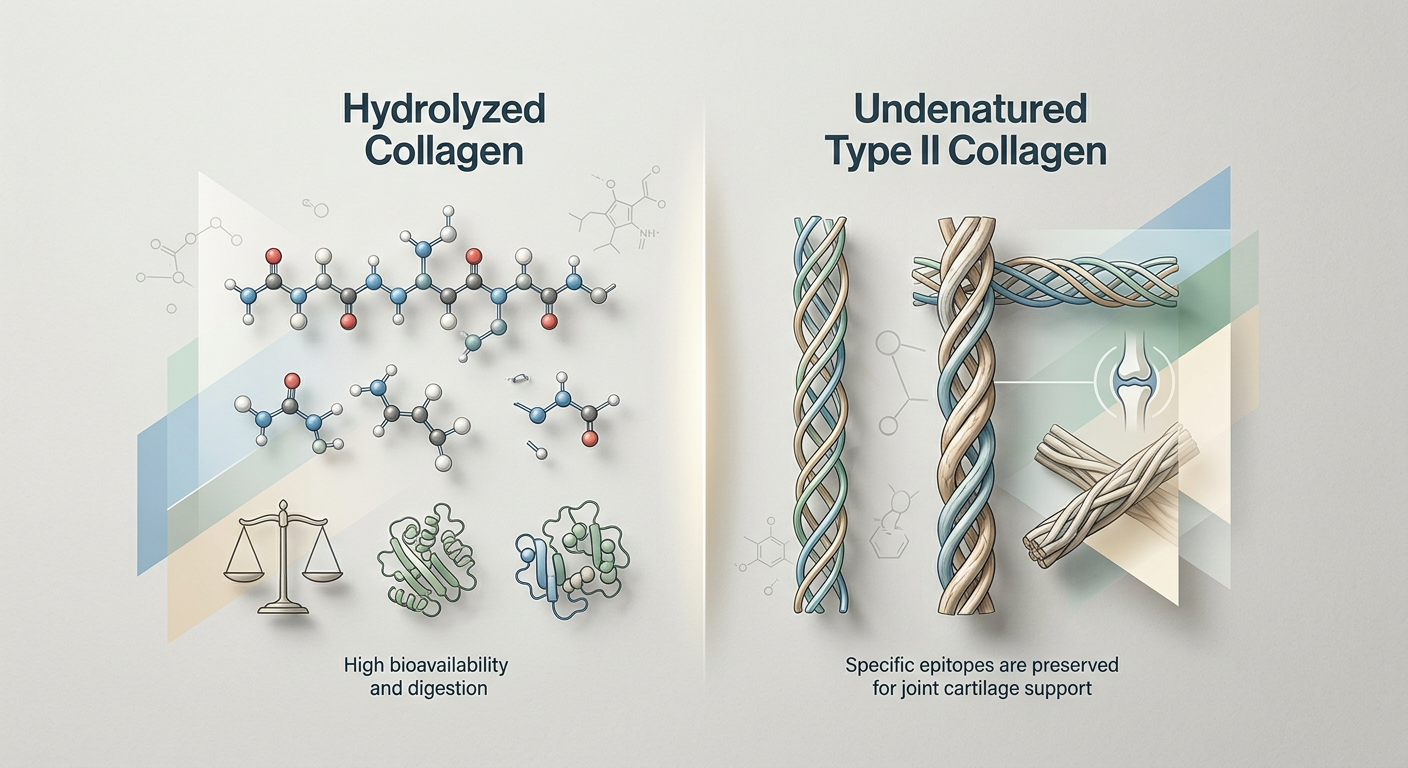
Gelken, a China-based supplier of collagen peptides, has issued a clarification regarding the differences between hydrolyzed Type II collagen peptide and undenatured Type II collagen for use in dietary supplements. The nutraceutical industry is increasingly focusing on specialized, science-backed ingredients, particularly for joint health, where consumer concerns about mobility and comfort are prevalent. Brands formulating joint supplements must understand the implications of their chosen Type II collagen form, choosing between the high-dose, building-block approach of hydrolyzed Type II collagen peptide and the ultra-low-dose, immune-modulating mechanism of undenatured Type II collagen. Gelken states that the efficacy and market positioning of the final product are directly linked to this molecular form selection.
The market for ingredients supporting musculoskeletal health is experiencing significant global growth. This expansion is driven by an aging demographic focused on maintaining mobility and a younger segment prioritizing performance and preventative wellness. Consumers are increasingly seeking scientifically credible alternatives with improved bioavailability and targeted physiological effects.
Gelken emphasizes the necessity for suppliers to possess robust technical capabilities and globally recognized quality assurance systems. A capable supplier must be able to manufacture both high-volume hydrolyzed materials and specialized, structurally intact native proteins. The company states its two decades of experience in protein manufacturing provide this dual capability. Gelken's operations are supported by a comprehensive quality management system certified by ISO 9001, ISO 22000, FSSC 22000, and GMP, alongside dietary compliance standards such as HALAL and KOSHER.