General Motors accelerates battery development with large-scale AI simulation
General Motors has utilized computer modeling to complete over 300,000 battery configuration tests in under a month, aiming to reduce vehicle development cycles.
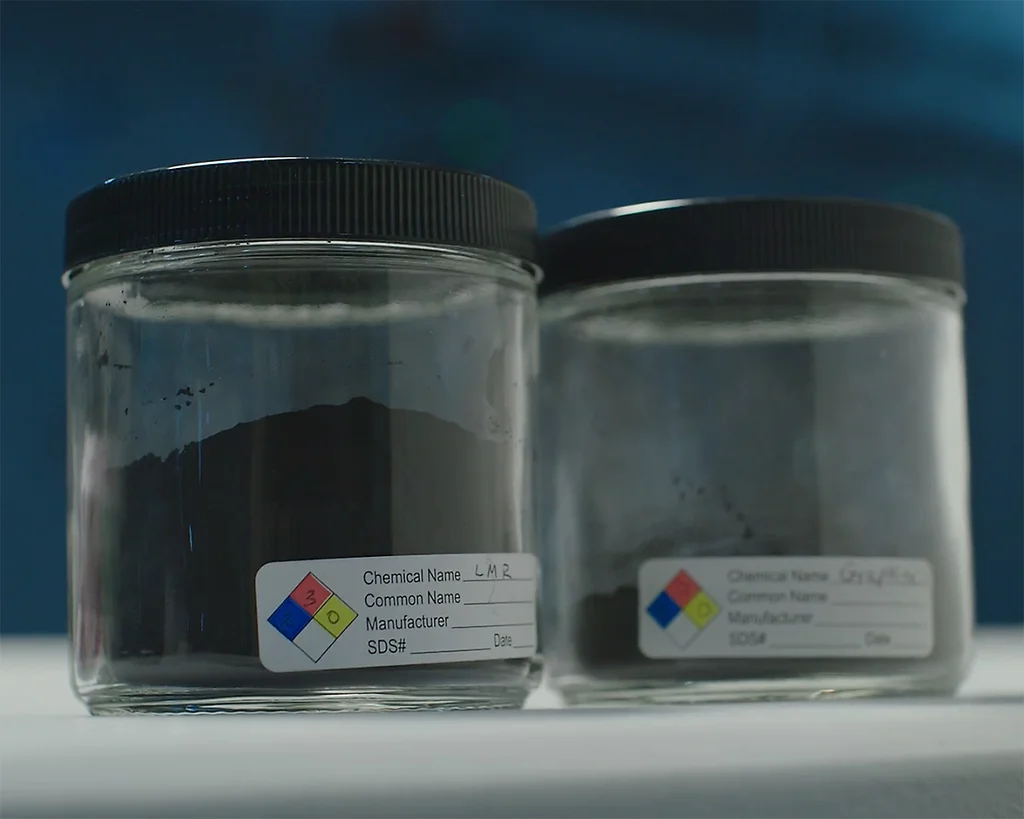
General Motors (GM) has announced a significant shift in its research and development process by leveraging AI and virtual simulations to test lithium manganese-rich (LMR) battery configurations. By processing 300 million CPU hours of data in less than a month, the automaker completed testing that it claims would have required 34,000 years under traditional, continuous computing conditions.
Sterling Anderson, GM’s chief product officer, noted that this computational capability allows for a vastly broader sampling of chemical and temperature variables than physical prototyping permitted. The company is now applying this AI-driven approach across its entire vehicle development pipeline, with the explicit goal of cutting development time in half, from the industry-standard four or five years to approximately two years.
This increased speed is framed as a strategic response to market volatility, including shifts in tax credit policies, tariffs, and fluctuating consumer demand. By condensing the development timeline, GM seeks to remain adaptable to external economic and regulatory pressures that can render long-term product plans obsolete.
Looking ahead, GM and its joint venture partner, LG Energy Solution, are targeting 2028 for the start of commercial production of LMR battery cells at the Ultium Cells facility in Tennessee. These batteries are designed to lower costs and reduce weight by replacing expensive minerals like cobalt and nickel with manganese, with a targeted range exceeding 400 miles.