General Motors Targets Halved Car Development Time Using AI
General Motors is implementing AI and advanced simulation tools to streamline its vehicle design and production process, aiming to cut development timelines by half.
General Motors (GM) is leveraging artificial intelligence and advanced simulation tools to significantly accelerate its vehicle development process, with a target of halving the time it takes to bring new models from concept to production.
The automaker aims to reduce the typical car development cycle from four to five years down to just two, according to Sterling Anderson, GM's chief product officer. This overhaul integrates AI, generative design, and advanced simulations across the entire pipeline, from initial design and engineering to testing and manufacturing, all within a unified digital model.
"This is a new operating system for product development," Anderson stated. The new workflow shifts from sequential to concurrent development, allowing teams to work in parallel. For instance, aerodynamic properties and safety systems can be developed simultaneously with the vehicle's body structure, with changes immediately shared and integrated across disciplines.
AI-powered virtual testing, including crash simulations and maneuver analysis, enables early identification and correction of design flaws. Jason Fischer, GM's executive director of virtual integration engineering, highlighted how the company's extensive test data enhances AI's ability to simulate a wider range of scenarios, improving vehicle robustness for real-world conditions.
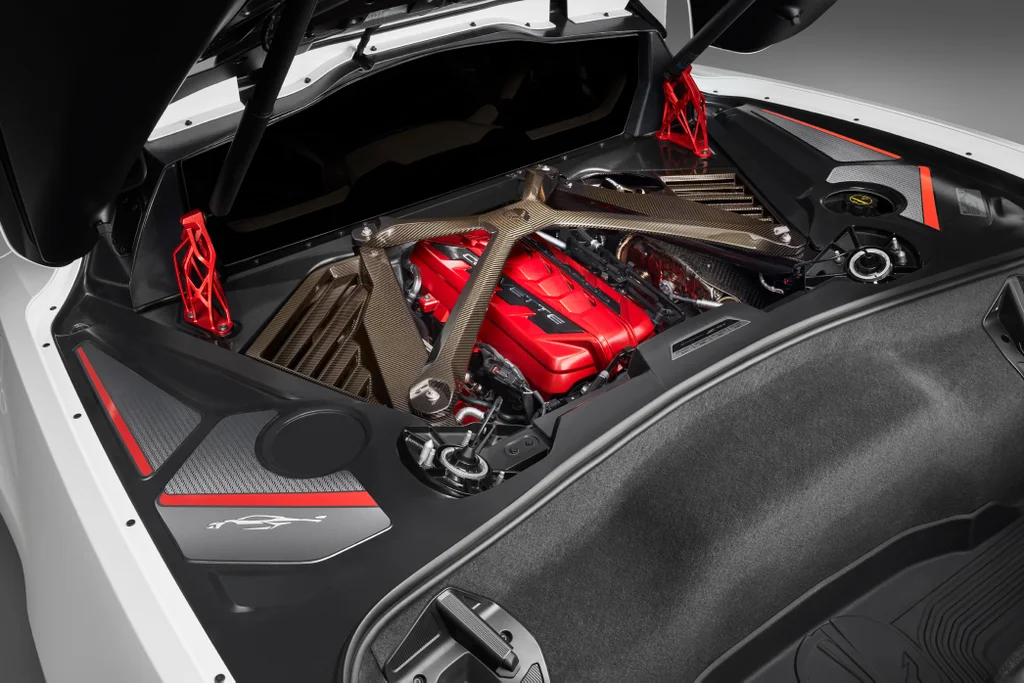
This updated development approach is already influencing GM's product launches. The V8 engine for the new Chevrolet Silverado, for example, was designed using thousands of combustion chamber simulations, reducing design time and cutting prototype production costs by 20%. While consumers may not see immediate visual changes, the accelerated cycle promises more frequent model updates and faster realization of new concepts.