Generative AI No Longer Fits 'Stochastic Parrot' Definition
Early generative AI models, once described as 'stochastic parrots,' have evolved beyond simple pattern matching. New techniques grant them deeper understanding and access to external information.
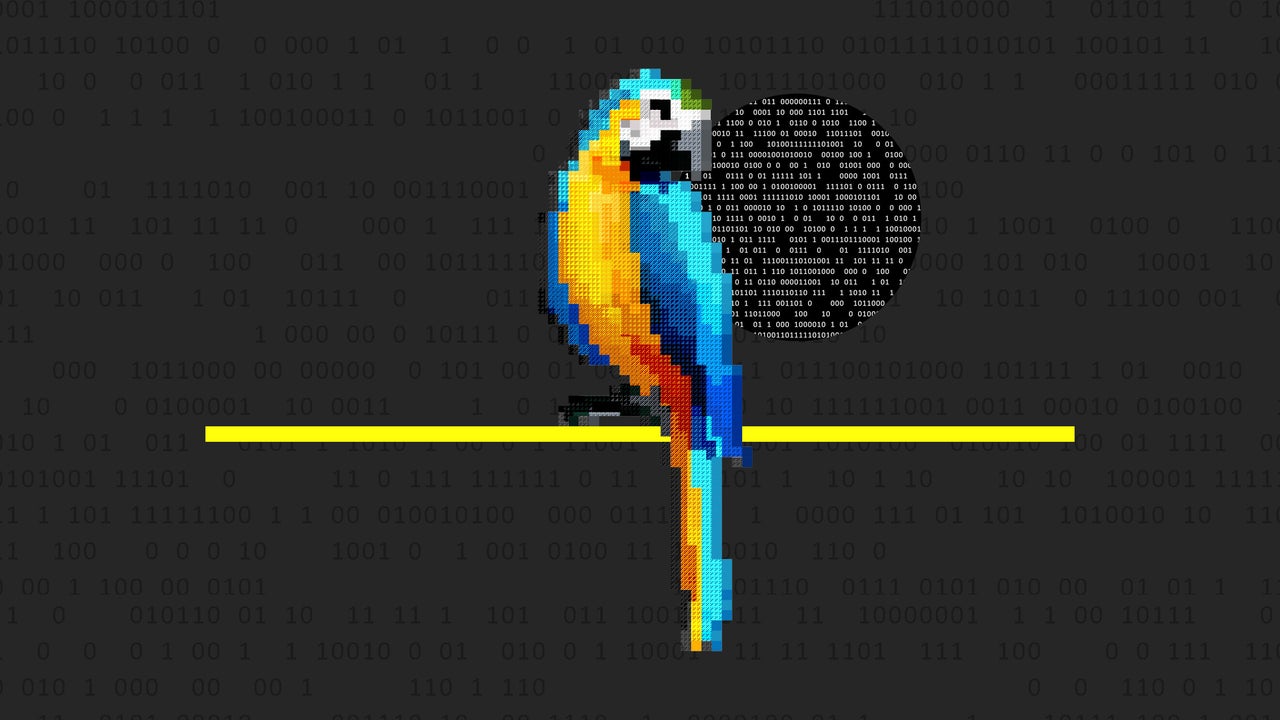
The initial characterization of early generative AI models as "stochastic parrots" no longer accurately reflects their capabilities. These models, which once generated language solely by predicting the statistically most likely next word based on training data, have advanced significantly.
Recent developments in artificial intelligence have introduced techniques that move beyond simple autoregressive prediction. Retrieval Augmented Generation (RAG) allows models to access and incorporate external information, enhancing factual accuracy and timeliness. Neurosymbolic AI provides a more structured computational framework, enabling models to interpret and apply complex rules and conditions systematically.
Furthermore, the "chain of thought" prompting method enables large language models (LLMs) to break down complex problems into smaller, manageable steps, mimicking human reasoning without altering the model's core parameters. Reasoning models, trained using reinforcement learning, can now self-correct and refine their answers in real-time, a departure from their earlier limitations.
These advancements mean that current generative AI models possess capabilities far beyond those of just a few years ago. They are no longer merely repeating patterns from their training data but are actively processing information and reasoning to produce more reliable and nuanced outputs.