Georgia Tech Explores Body as Wiring for Implants
Georgia Tech researchers are developing a new networking system for medical implants. The technology uses the body's tissues to transmit signals instead of radio waves.
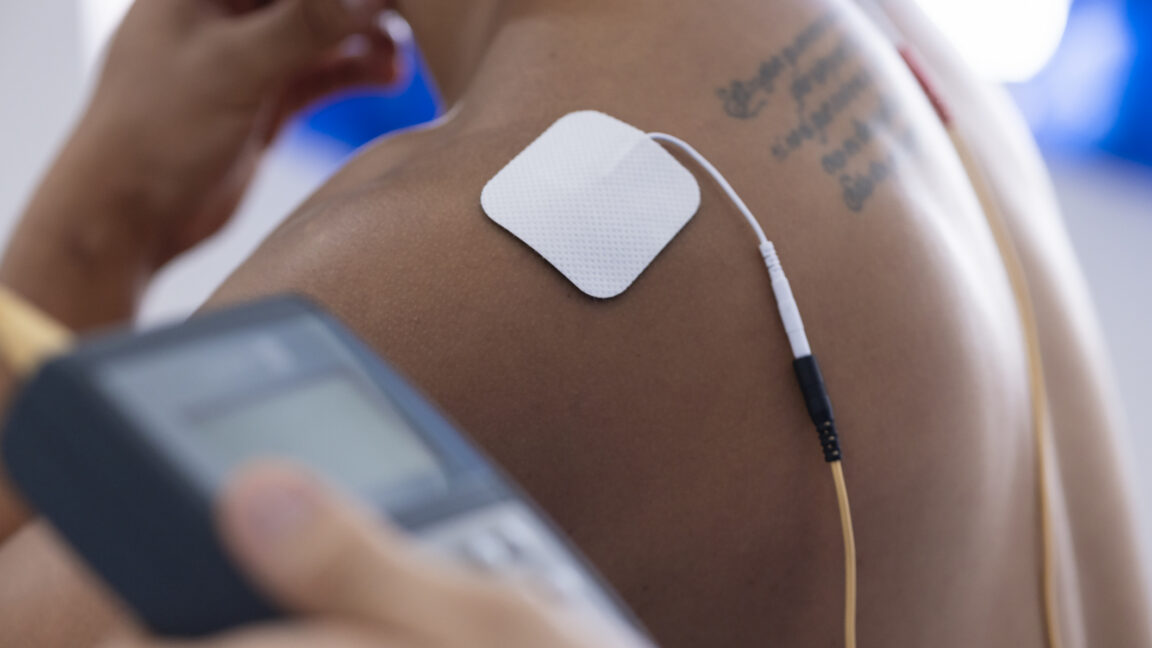
Researchers at Georgia Tech have developed a new networking system enabling medical implants, such as pacemakers and insulin pumps, to communicate with each other. The core innovation is the use of the body's own tissues for signal transmission, bypassing traditional antennas and radio waves.
Current wireless protocols used in implants, like Bluetooth Low Energy and NFC, are not efficient for in-body data transfer. Alex Abramson, a Georgia Tech engineer and co-author of the study, noted that radio communication consumes significant power. Bluetooth components, when active, can reduce an implant's battery life by up to 90 percent, making continuous, low-latency communication challenging.
The new approach aims to address the power consumption issue and enhance the reliability of communication between implants. By utilizing bodily tissues, the system seeks to establish a more dependable and energy-efficient method for coordinated implant function. This could lead to improved management of chronic conditions and a better patient experience.
Georgia Tech's research represents a step towards more integrated and functional medical devices operating seamlessly within the human body.