German air rescue providers warn of funding crisis
ADAC, DRF, and Johanniter Luftrettung state that a new federal bill aiming to stabilize health insurance contributions threatens the financial viability of German air rescue services.
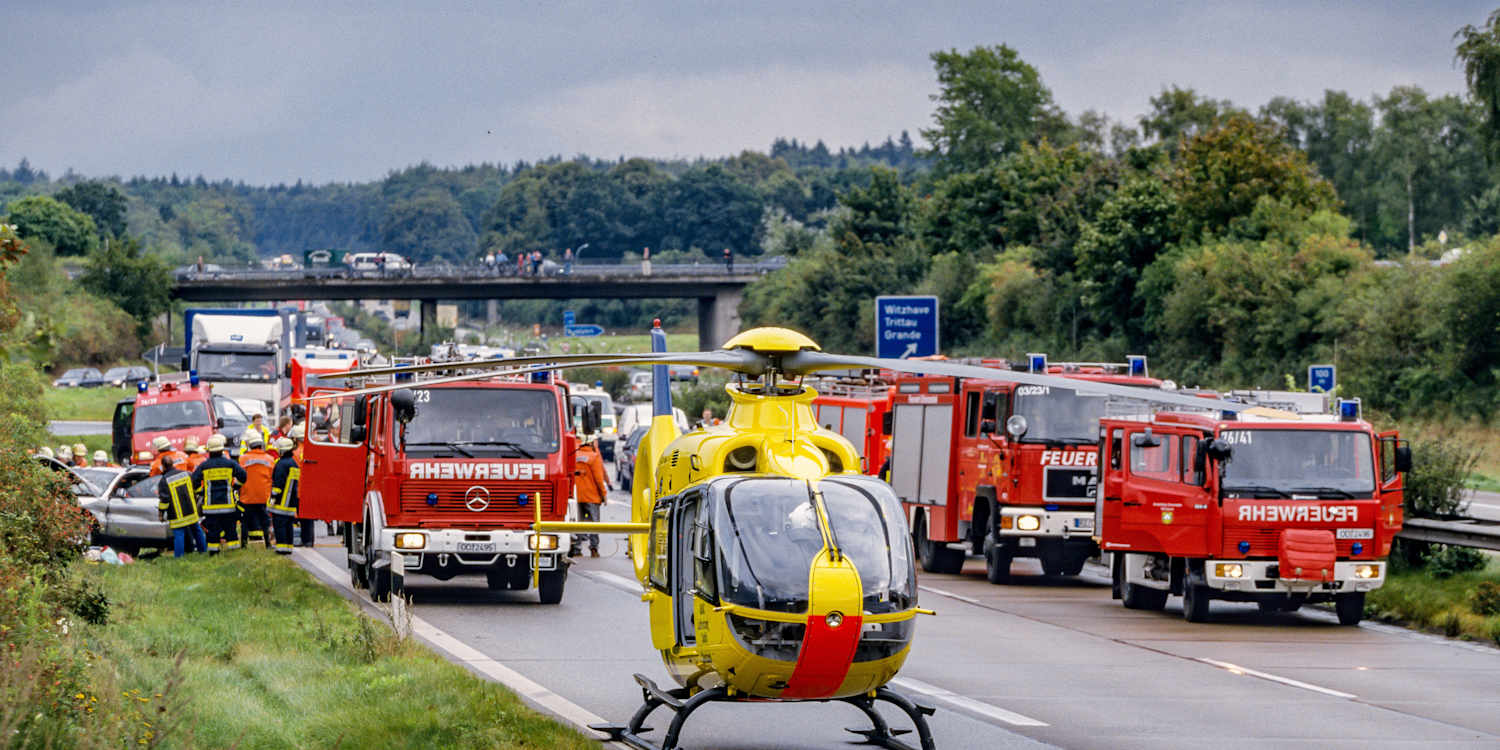
Major German air rescue organizations, including ADAC Luftrettung, DRF Luftrettung, and Johanniter Luftrettung, have warned that a pending government bill could jeopardize the country's emergency medical services. The legislation, intended to stabilize health insurance contribution rates, is seen by the providers as a significant threat to their operational funding.
The core of the conflict lies in the government's proposal to tie financing to the general wage growth rate, a metric that providers argue fails to reflect the unique cost structures of aviation-based rescue. Unlike other segments of the healthcare system, air rescue requires maintaining constant standby readiness, specialized personnel, and high-maintenance, safety-critical infrastructure that cannot be scaled according to standardized healthcare budgets.
Frédéric Bruder, CEO of ADAC Luftrettung, stated that while the stabilization of insurance contributions is a valid policy goal, it must not come at the cost of essential emergency care. With approximately 90,000 emergency missions flown by these organizations last year, the providers are calling for amendments to the legislation to ensure that financial austerity measures do not disrupt critical medical response capabilities.