German Environmental Aid Criticizes Supermarkets Over Packaging Waste
A new study by Deutsche Umwelthilfe (DUH) reveals that German supermarkets and discounters continue to produce significant amounts of packaging waste. Only organic markets performed satisfactorily in the test.
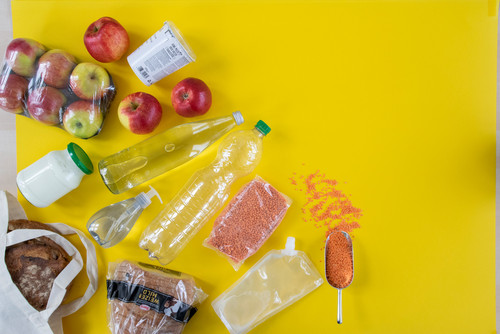
German environmental and consumer organization Deutsche Umwelthilfe (DUH) has criticized major supermarket and discount chains for a substantial packaging waste problem. The organization's third packaging check indicates that many chains, including Aldi Nord, Aldi Süd, Lidl, and Norma, still rely too heavily on single-use packaging and offer limited options for package-free shopping or reusable containers.
The study examined 48 stores across 12 different retail chains throughout Germany. It found that the proportion of packaged fruits and vegetables averaged 66 percent, a decline from the previous year. Aldi Nord, in particular, increased its offering of pre-packaged produce. Reusable beverage bottles were scarce at Aldi Nord, Aldi Süd, and Lidl, with Norma offering them in only 21 percent of its beverage selection.
DUH is calling for stricter government regulations to reduce packaging waste. The organization proposes a levy on single-use plastic bottles and cans, a mandatory reusable quota for wine and milk, and that the plastic tax be passed on to the responsible companies. Despite Germany having a 70 percent reusable quota for beverages, it is not binding for retailers, resulting in an average reusable offering of only 30 percent.
Only organic stores such as Bio Company, Alnatura, and Denns received positive assessments and green cards. These retailers offered significantly fewer packaged products, especially fruits and vegetables, and prioritized reusable solutions. DUH highlights these examples as proof of effective waste reduction and urges larger chains to improve their practices.