Germany Postpones Decision on 'Minijobs' Reforms Amidst Worker and Business Uncertainty
Germany's government has delayed decisions on potential reforms to 'minijobs' until autumn. The proposed changes could reduce net income for employees and increase costs for businesses.
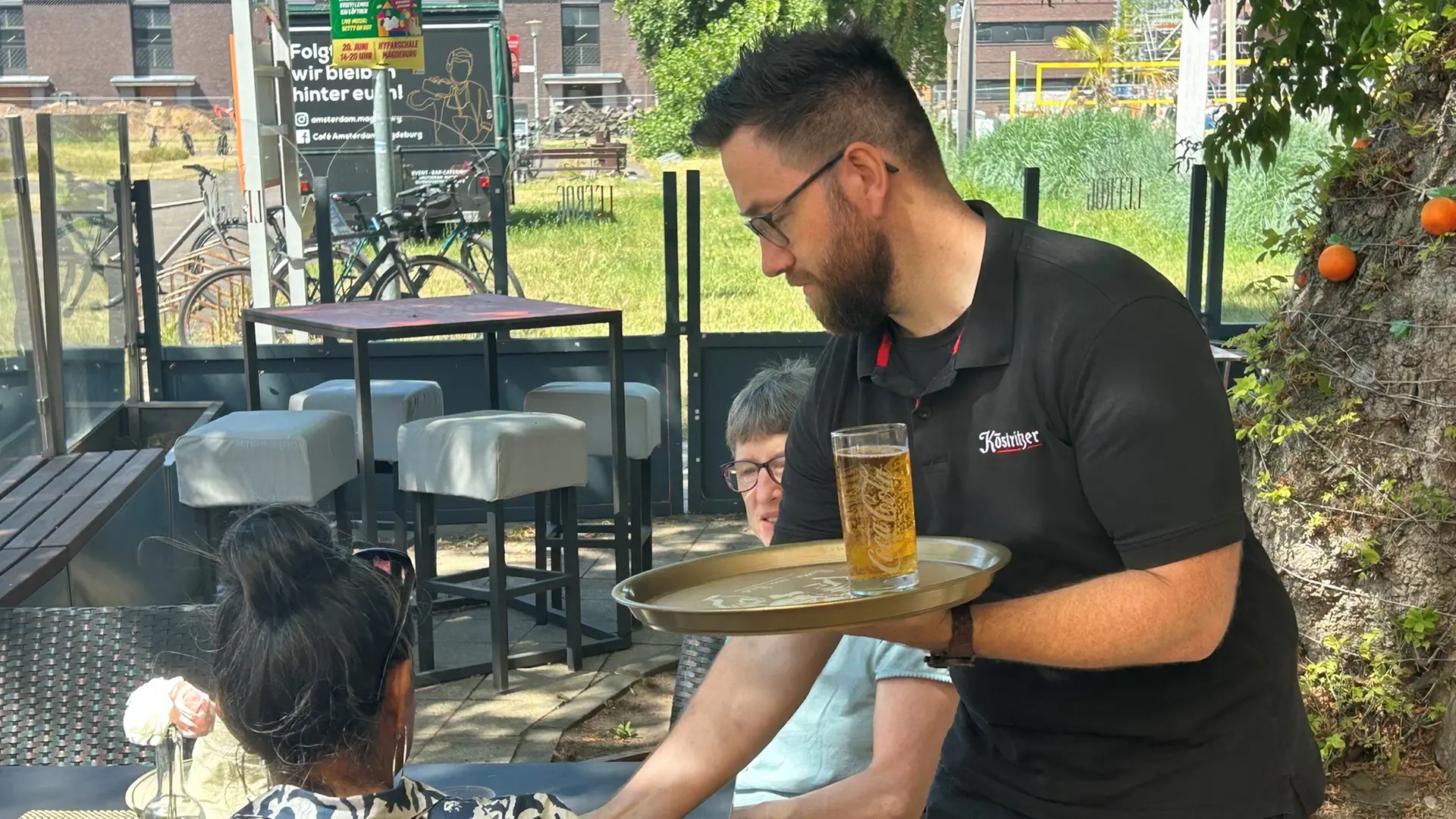
Germany's government has postponed decisions regarding potential reforms to 'minijobs' (low-wage part-time employment) until autumn, leaving employees and employers in uncertainty. The delay impacts individuals reliant on these supplementary incomes and businesses that utilize this flexible labor force.
Berlin has only announced an increase in the flat tax rate for 'minijobs' from two to five percent of wages. This change is expected to reduce net income by approximately 50 euros per month for employees, in addition to potential health and care contributions. Marcel Quitschau, a mechanical engineering student in Magdeburg working as a waiter, highlighted the urgency, stating, "I am reliant on the minijob; it's essentially my source of income." Tim Liesegang, owner of the 'Le Frog' restaurant, also voiced concerns, wishing for a quicker resolution to ensure business planning.
In the state of Sachsen-Anhalt, there were 90,200 'minijobs' during the first quarter, totaling 6.8 million nationwide. These jobs are predominantly found in retail, hospitality, and services such as cleaning and janitorial work. Many also hold 'minijobs' alongside primary employment for tax-free income supplementation.
Marco Langhof, president of employers in Sachsen-Anhalt, described the proposed changes as a risky intervention in the economy. He emphasized the role of 'minijobs' in managing workload peaks and providing flexibility. Significant alterations or the elimination of these positions would impose additional costs and burdens on businesses. Langhof expressed hope for continued dialogue with stakeholders and a more balanced final regulation.