Germany's GEIG Law Update to Reshape Charging Infrastructure Planning
Germany's updated Electric Mobility Infrastructure Act (GEIG), effective July 2026, tightens requirements for charging infrastructure while introducing flexibility in planning based on power output rather than just the number of points.
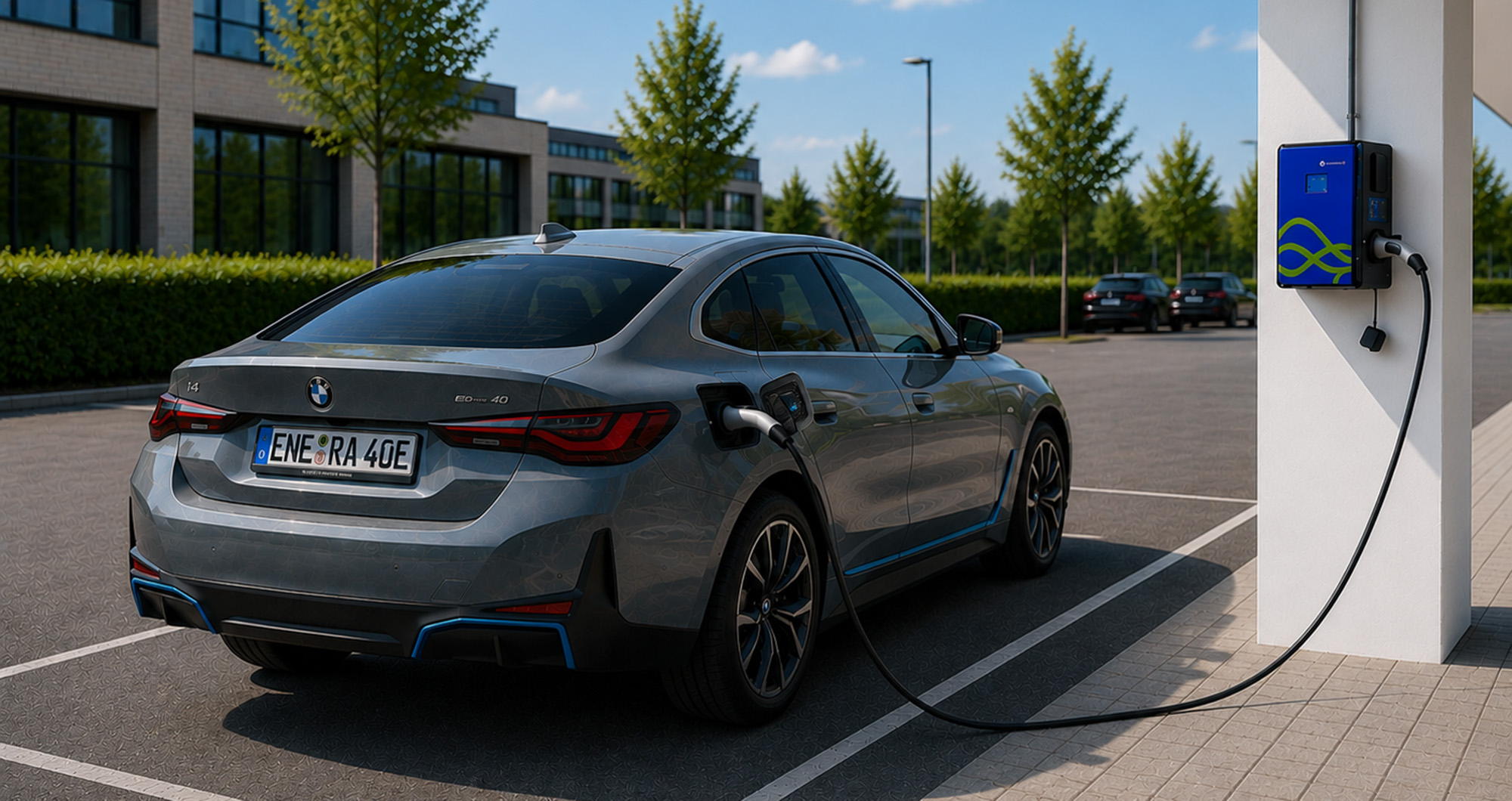
Germany's federal government has approved a revision of the Electric Mobility Infrastructure Act (GEIG), set to take effect on July 1, 2026. This update will significantly alter how charging infrastructure is planned by tightening requirements while simultaneously offering greater flexibility, particularly for publicly accessible charging points.
The core change shifts the focus from solely mandating a specific number of charging points to considering the total available charging power. This applies to certain building types and publicly accessible parking spaces. For non-residential locations like commercial properties, hotels, and business sites, it will become possible to meet requirements with fewer, higher-powered charging points, provided the total power output is sufficient.
Concurrently, the law tightens general requirements. New constructions will necessitate more extensive pre-wiring, and stricter rules will apply to major renovation projects. Expansion requirements for non-residential buildings and existing structures will increase significantly from 2027 onwards.
The legislative amendment further emphasizes the importance of intelligent load management. The sheer number of installed charging points will no longer suffice; planning must now account for available power, load distribution, user groups, and economic efficiency. Integration with renewable energy sources and energy storage will also become crucial.
ENERANDO highlights that the new law, while increasing the complexity of planning charging infrastructure, also opens avenues for more cost-effective and needs-based solutions. The company asserts that successful future strategies will involve comprehensive planning that considers technical, economic, and user-centric factors.