Giant Superatoms Offer New Toolbox for Quantum Computers
Researchers at Chalmers University of Technology have developed a theoretical model for quantum systems called 'giant superatoms'. This concept combines giant atoms with superatoms to improve control over quantum information and reduce decoherence.
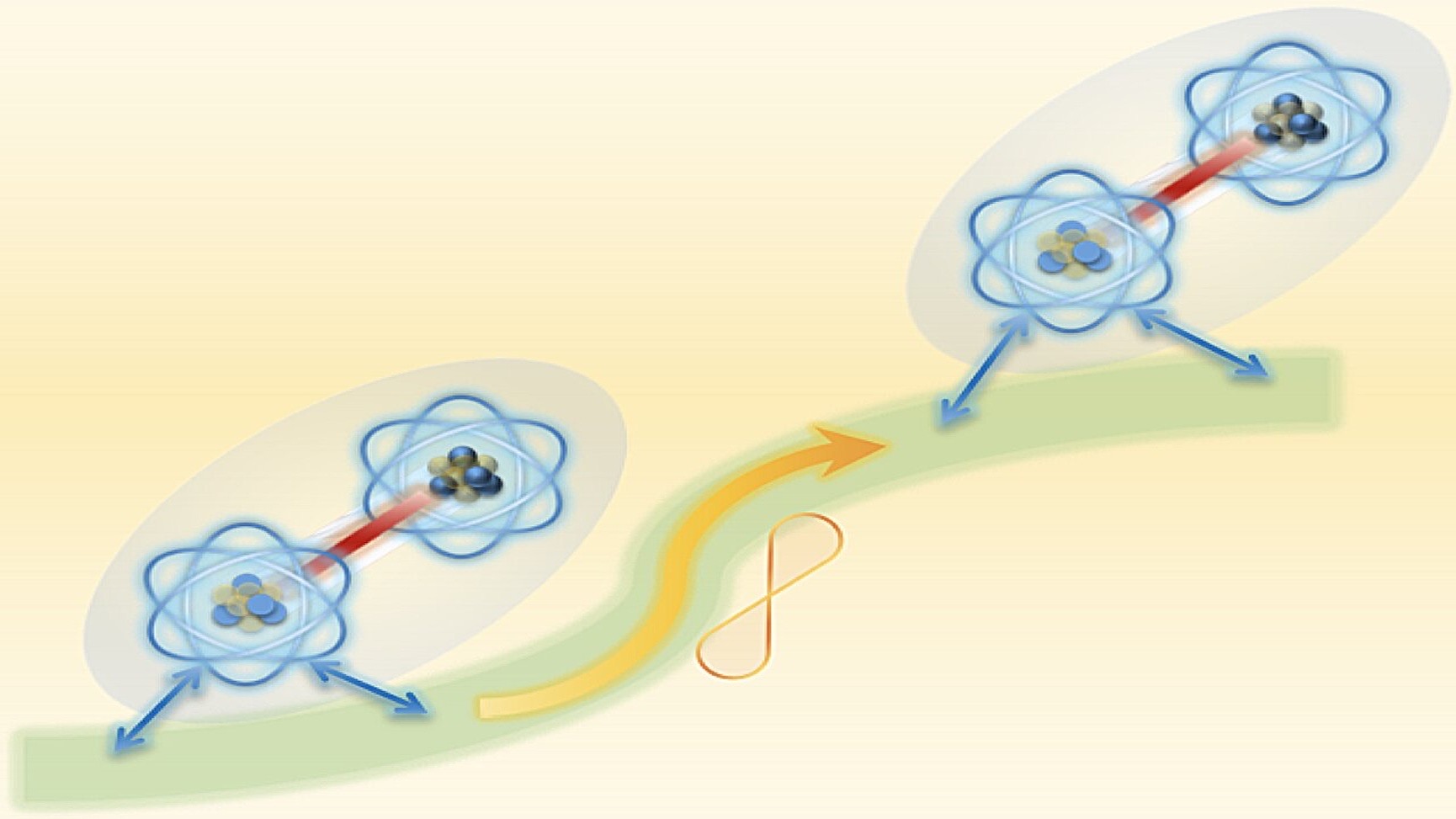
On February 19, 2026, researchers at Chalmers University of Technology announced a theoretical model for a new type of quantum system: 'giant superatoms'. These systems are designed to overcome key challenges in the development of quantum computers, particularly decoherence, where quantum bits (qubits) lose information due to environmental interactions.
Quantum computers are expected to revolutionize fields such as drug discovery and encryption by tackling problems beyond the reach of current computers. However, the realization of practical quantum computers has been hindered by the tendency of qubits to lose their quantum states when interacting with their environment. The newly proposed giant superatom concept merges previously studied 'giant atoms' and 'superatoms' into artificial structures that behave collectively.
The 'giant atom' concept, developed at Chalmers over a decade ago, allows qubits to interact with their surroundings at multiple locations simultaneously, offering protection against decoherence. Superatoms are artificial constructs where multiple natural atoms share a quantum state and act as a single unit. The combination allows multiple giant atoms to function as one, enabling the storage and control of quantum information within a single entity.
Lead author Lei Du stated that giant superatoms provide "an entirely new set of capabilities, giving us a powerful new toolbox" for controlling quantum information and creating entanglement in novel ways. The research team now plans to move from theoretical development to the practical fabrication of these quantum systems, marking a significant step towards scalable and reliable quantum technologies.