Gig Economy Pricing Models Frustrate Workers and Consumers
Gig economy platforms' use of surge pricing is leading to consumer frustration and worker dissatisfaction. New research suggests alternative pricing strategies.
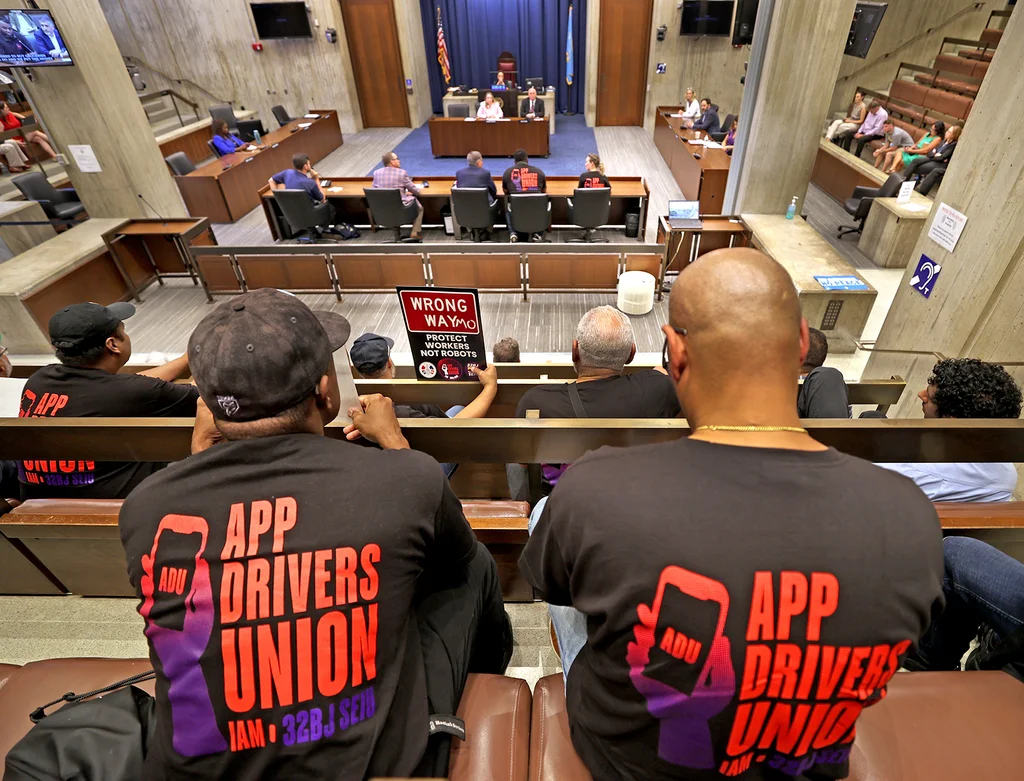
The surge pricing model employed by gig economy platforms, designed to balance demand and supply, is causing widespread dissatisfaction among both consumers and workers. Consumers are facing unpredictable and inflated prices, while drivers grapple with erratic earnings and rising vehicle operating costs.
Recent research analyzing 2 million delivery tasks from over 70,000 drivers found that surge pricing is not benefiting drivers as intended. The study revealed that drivers, acting as micro-entrepreneurs, meticulously evaluate each task based on time and efficiency.
The research identified three key factors influencing driver decisions: the "efficiency paradox," the "uncertainty tax," and the "sunset threshold." The efficiency paradox highlights drivers' preference for dense, short routes that allow for more deliveries and higher overall earnings, rather than prioritizing long trips for a higher per-mile rate. The uncertainty tax accounts for the time and fuel consumed by difficult pickups, such as chaotic airport terminals.
The sunset threshold refers to drivers' reluctance to work after dark due to safety and fatigue concerns. Researchers suggest platforms could mitigate these issues by offering consumers options for "low-friction pickup zones" or by shifting non-urgent evening orders to the following morning.
This new understanding of driver motivations could enable platforms to reduce consumer overcharging while simultaneously designing work that is more satisfying and profitable for drivers.