Gigabyte PILOT powers Taiwan's first self-driving bus
Gigabyte Technology's GIGABYTE PILOT autonomous-driving control unit is at the core of Taiwan's first self-driving electric bus, the WinBus, which has achieved SAE Level 4 driving automation.
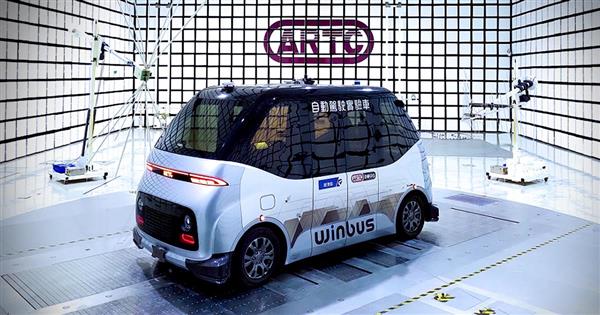
Taipei, Taiwan – Gigabyte Technology's GIGABYTE PILOT autonomous-driving control unit (ADCU) serves as the central AI computing platform for Taiwan's first self-driving electric bus, the WinBus. Developed by the Automotive Research Testing Center (ARTC), the WinBus has reached SAE Level 4 driving automation, indicating high automation capabilities under specific conditions.
The GIGABYTE PILOT functions as the vehicle's AI-powered mobile edge computing platform. It provides substantial processing power for self-driving AI algorithms and versatile connectivity, acting as the hub between the bus's sensors and its control system. The unit is designed for ruggedness and reliability for long-term operation, making it suitable for autonomous vehicles, vessels, heavy machinery, and autonomous mobile robots (AMRs).
The WinBus, an electric shuttle with a 70-kilometer range, has been operating in Taiwan's Changhua Coastal Industrial Park since 2019. The bus features a unique double-ended design for navigating narrow roads and lacks traditional controls like a steering wheel or pedals, as it operates without human intervention within its defined routes according to SAE International's automation levels.
Gigabyte PILOT's capacity for intensive computation is critical for processing real-time data from sensors and directing the vehicle's actions. This is essential for the AI algorithms, which learn and improve through continuous data collection. The unit's performance can be accelerated by pairing Intel CPUs with NVIDIA GPUs or Intel Movidius VPUs for heterogeneous computing.