Global Childhood Vaccination Coverage Holds Steady, But Millions of Infants Remain Unvaccinated
In 2024, 89% of infants globally received at least one DTP vaccine dose. However, nearly 20 million infants missed at least one dose, and 14.3 million were "zero-dose."
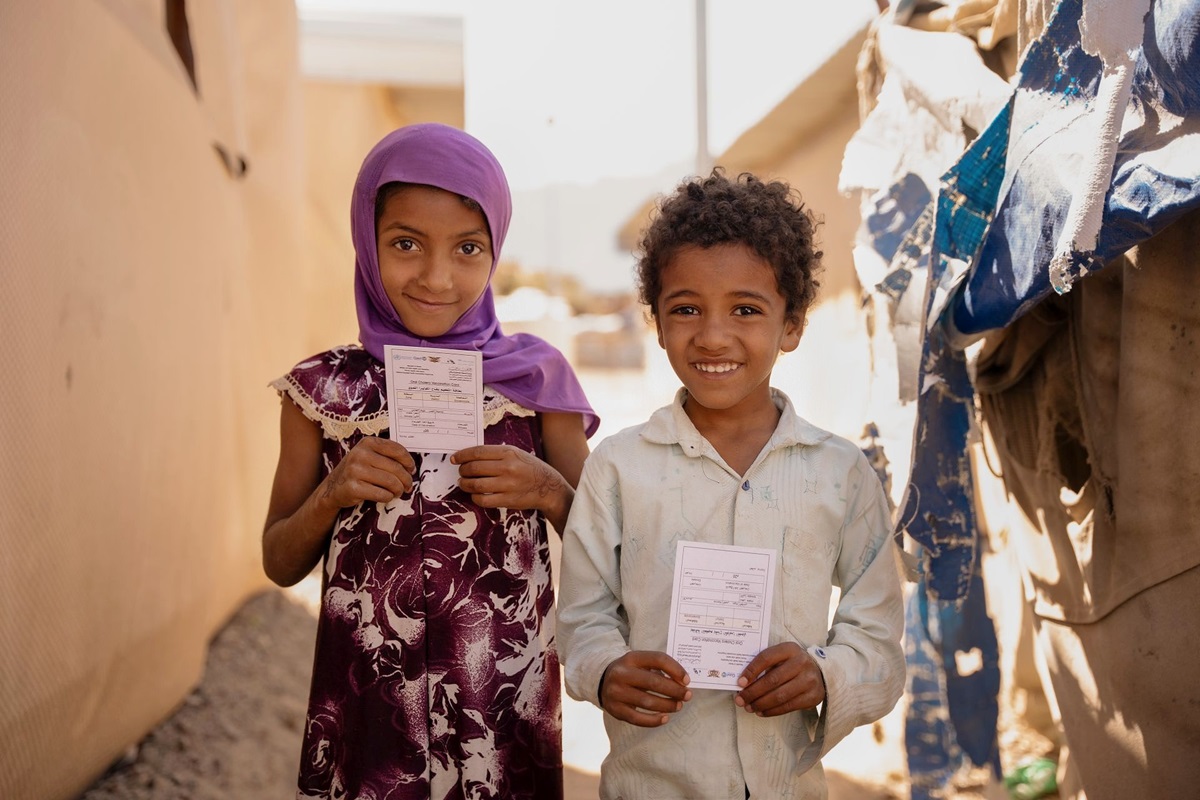
Global childhood vaccination coverage remained steady in 2024, with 89% of infants worldwide receiving at least one dose of the diphtheria, tetanus, and pertussis (DTP) vaccine, according to new data released in July 2025 by the World Health Organization (WHO) and UNICEF. Approximately 85% of infants completed the full three-dose series. While modest, these gains signal continued efforts by countries to protect children amidst ongoing challenges.
Despite the stable overall coverage, a significant concern remains: nearly 20 million infants missed at least one dose of the DTP vaccine last year. Of these, 14.3 million were classified as "zero-dose," meaning they never received any vaccine. This figure is higher than the target needed to stay on track with the Immunization Agenda 2030 goals and represents an increase from 2019 levels.
The data highlights that millions of children remain unvaccinated or under-vaccinated due to a combination of factors, including limited access to immunization services, supply disruptions, conflict, instability, and misinformation about vaccines. Analysis across 195 countries shows that while 131 countries have consistently maintained at least 90% coverage for the first DTP dose since 2019, progress in expanding this group has been minimal. Only 17 countries that were below 90% in 2019 have managed to increase their coverage rates in the past five years, while coverage is stalling or worsening in 47 countries.
Conflict and humanitarian crises disproportionately impact vaccination progress. A quarter of the world's unvaccinated infants reside in 26 countries affected by fragility or conflict, yet these regions account for half of all unvaccinated children globally. In many of these crisis-affected nations, the number of unvaccinated children has risen sharply since 2019. While low-income countries supported by Gavi, the Vaccine Alliance, have seen improvements, signs of slippage are emerging even in middle- and high-income countries, increasing the risk of disease outbreaks and straining healthcare systems.