Global Leaders Demand Scalable Models for Women's Health
A New York roundtable identified the need for increased investment in women's healthcare to close a global health gap.
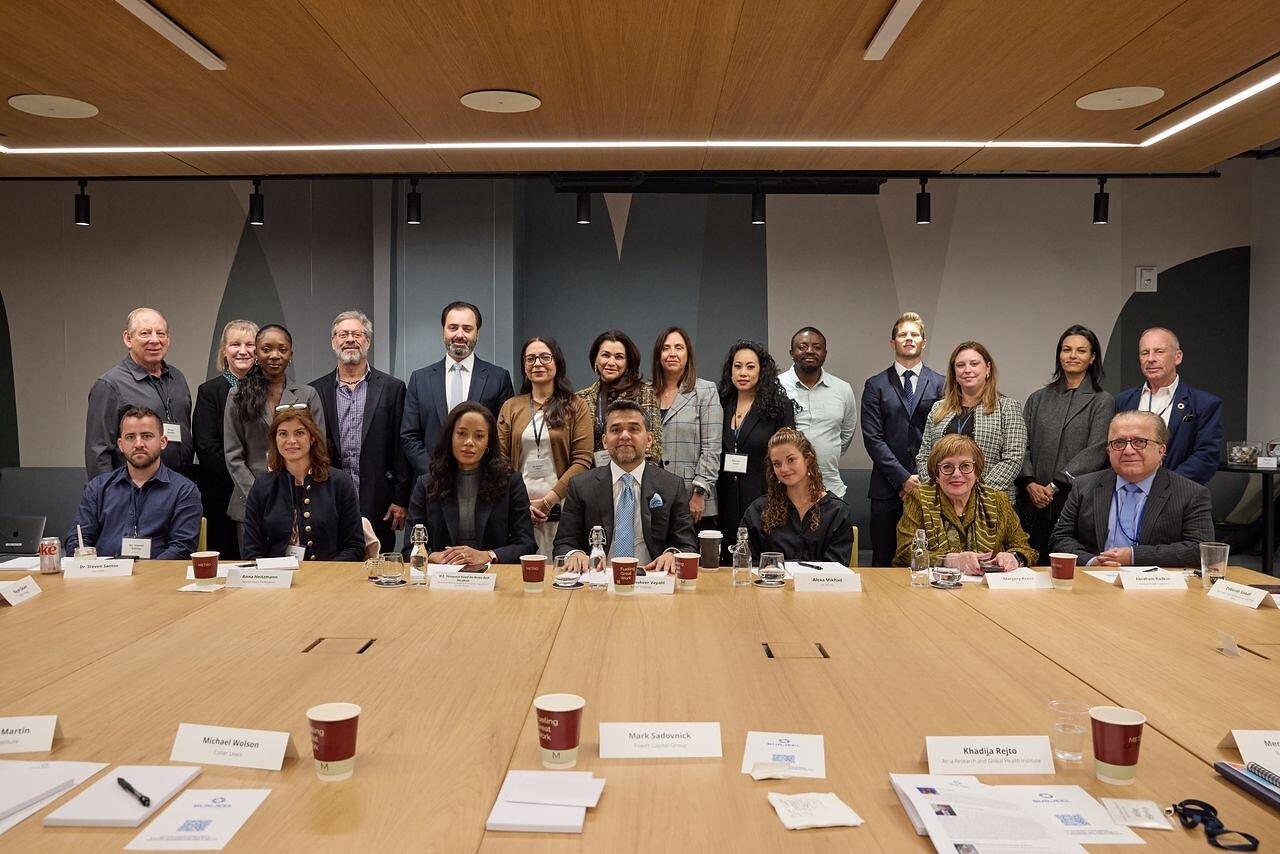
New York – Global leaders from healthcare, investment, philanthropy, and government called for increased investment in scalable and integrated women's healthcare models at a roundtable event in New York. The discussion, titled "The $1 Trillion Case for Women's Health," was convened by Burjeel Holdings, a leading super-specialty healthcare provider in the GCC region.
Held on the sidelines of the 81st United Nations General Assembly, the conversation focused on the economic and clinical impacts of the global women's health gap, which the World Economic Forum estimates could exceed $1 trillion annually by 2040 if left unaddressed.
HRH Ambassador Reema Bandar Al-Saud, Saudi Arabia's Ambassador to the United States, delivered a virtual address emphasizing the need for a more comprehensive approach to women's health. She highlighted the importance of prevention and creating an environment where women feel comfortable discussing their health and seeking necessary care. "Our approach to care has to be integrated, as women's physical and mental health are interconnected," she stated.
Dr. Shamsheer Vayalil, Chairman and CEO of Burjeel Holdings, presented the company's clinical experience as an example of targeted investment in women's health. He cited a reduction in cervical cancer cases at Burjeel Cancer Institute in the UAE over the past two years as evidence of effective models. Collaborative initiatives were also previewed for Saudi Arabia, including an integrated model for women's health delivery that could be adapted for other markets, such as in Africa and the Global South.
Participants identified three critical requirements for closing the health gap: sustained investment in women's health systems, broader adoption of technology across care delivery, and new models of care with a demonstrated record of results. These initiatives aim to improve women's health and well-being globally.