Global Wildfires at Record Low While North America and Europe Face Extreme Fire Activity
Despite increasingly extreme wildfires in Europe and North America, global fire statistics are at a record low due to reduced burning in Africa and Asia.
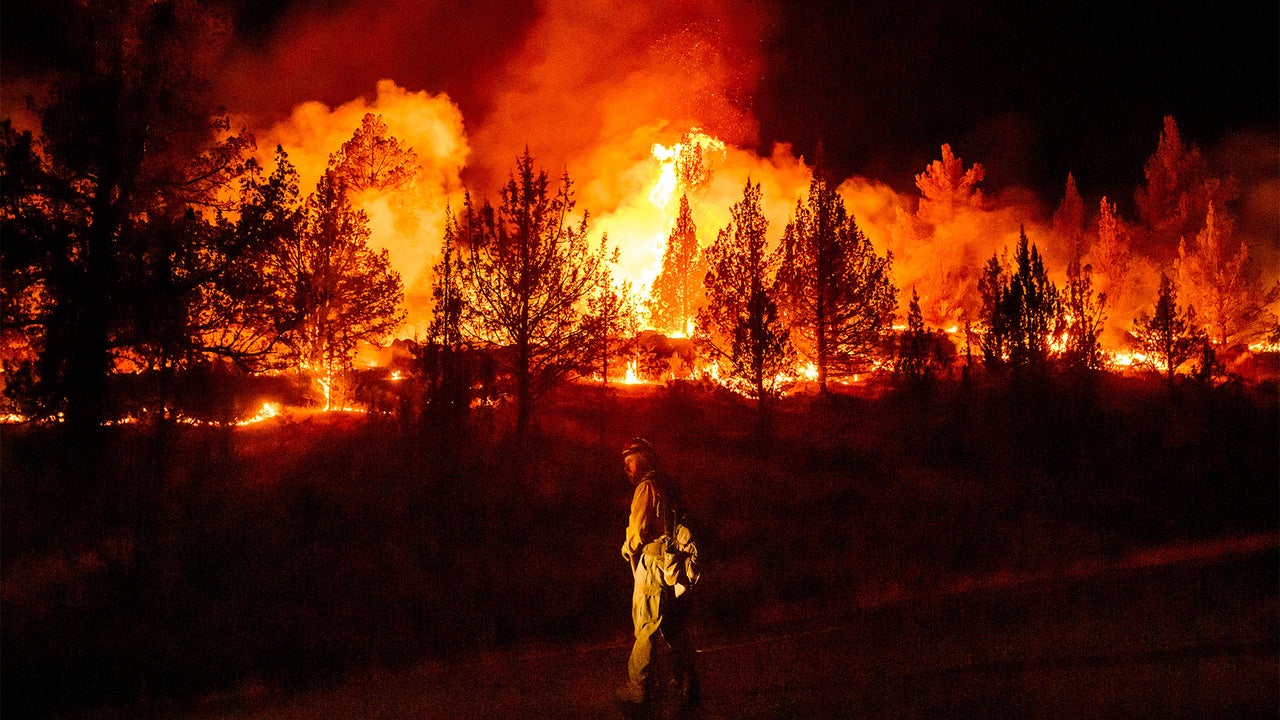
While wildfires rage with increasing intensity in Europe and North America this summer, global fire statistics show a record low in burning activity. This divergence is attributed to significant decreases in fires across Africa and Asia, driven by shifts in agricultural practices, fire management, and population movements.
Experts point to human-induced climate change as the underlying cause for these opposing trends. Regions like Spain have experienced their largest wildfires on record, and both Canada and the United States have seen fire-affected land areas significantly above their 10-year averages. Conversely, improvements in land use, fire prevention, and demographic changes in Africa and Asia have led to fewer fires. According to the European climate center Copernicus, global fire emissions are at their lowest point since satellite monitoring began nearly 25 years ago.
Historically, Africa and Asia have accounted for the majority of global fire emissions, often linked to agricultural land clearing. However, modernized farming, urbanization, and better fire suppression strategies have reduced these occurrences. In contrast, climate change is exacerbating fire conditions in North America and Europe by creating hotter, drier weather and extending fire seasons. The increased proximity of fires to populated and valuable areas also magnifies their impact.
The developing El Niño phenomenon is expected to intensify fire risks, particularly in tropical regions like the Amazon and Southeast Asia, potentially increasing agricultural burning. In the western United States, while El Niño may bring more rain, it could also foster increased grass growth, creating fuel for future grass fires. Scientists emphasize the urgent need for North America and Europe to enhance their preparedness and adaptation strategies for worsening wildfire conditions, including measures like prescribed burns.