Göbekli Tepe Added to UNESCO World Heritage List
Turkey's Göbekli Tepe, believed to be the world's oldest temple at over 12,000 years old, has officially been recognized by UNESCO as a World Cultural Heritage Site.
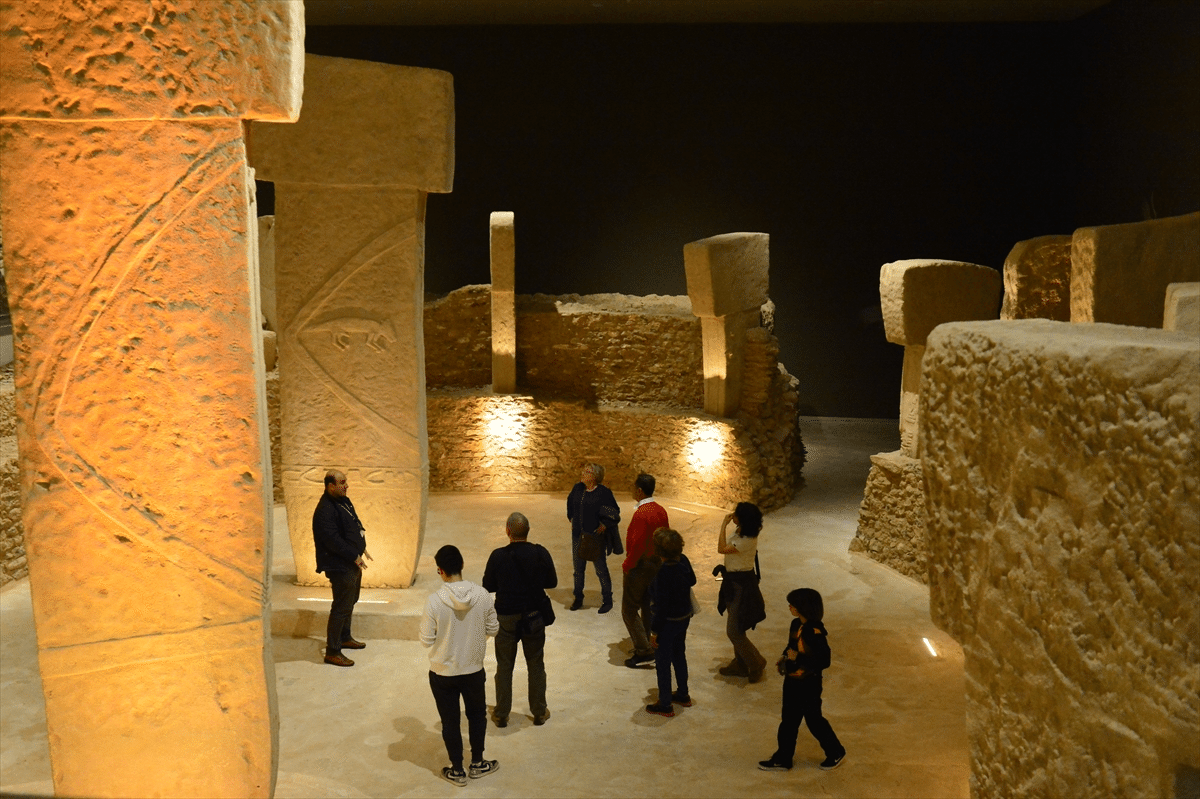
Göbekli Tepe, an archaeological site in Şanlıurfa in southeastern Turkey, has officially been inscribed as a UNESCO World Cultural Heritage Site. The monument, estimated to be over 12,000 years old, is considered the world's oldest known temple and its discovery has significantly altered understandings of early human history.
Excavations at the site began in 1995 under German archaeologist Klaus Schmidt. The findings include circular stone structures, T-shaped pillars, and animal sculptures dating back to a period predating agriculture and settled lifestyles. The heaviest T-shaped obelisks weigh over 16 tons, suggesting a complex social organization among hunter-gatherer societies.
The discovery challenges the traditional timeline of civilization, where agriculture and settled life were thought to precede monumental construction. Göbekli Tepe indicates that complex construction and organization occurred before these developments, potentially implying that communal or religious gatherings were precursors to settled civilization.
Göbekli Tepe's permanent inclusion on the UNESCO World Heritage list followed a provisional listing six years prior. The final decision was made by the 42nd World Heritage Committee at its meeting in Manama, Bahrain, affirming the site's global cultural significance.