Google develops method to watermark AI-designed proteins
Google has developed a technique to embed invisible watermarks into proteins designed by artificial intelligence, aiming to enhance biosecurity. This method allows for the identification of AI-generated proteins, addressing concerns about their potential misuse.
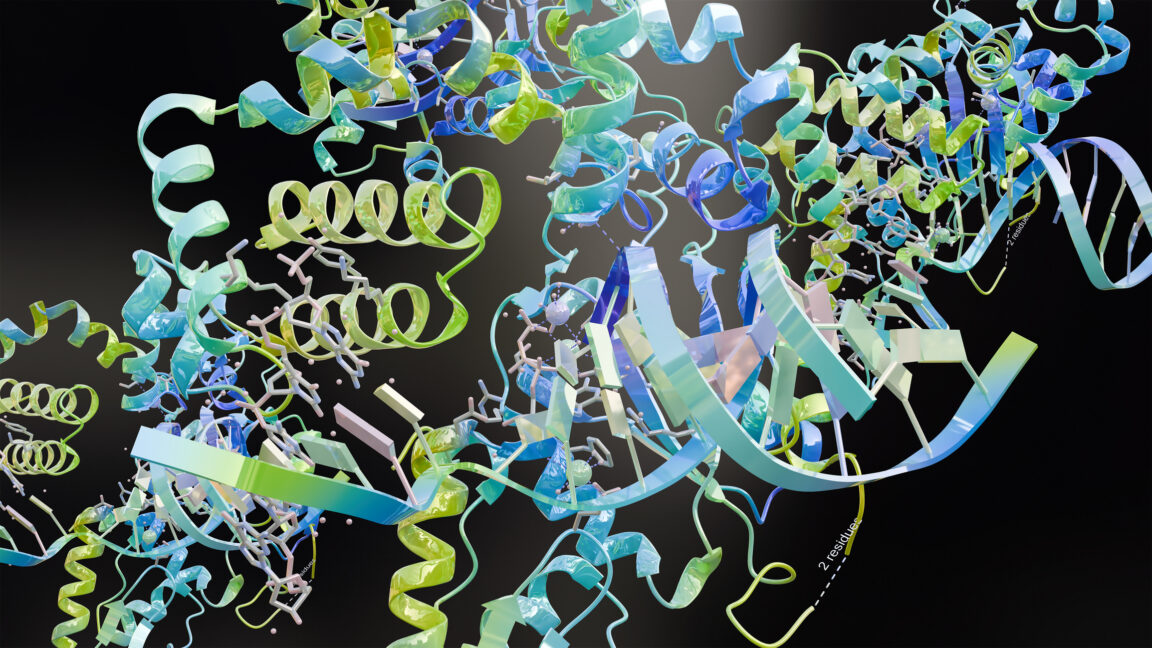
Google has announced a new method for embedding imperceptible watermarks into proteins designed by artificial intelligence. This development addresses growing concerns about the potential misuse of AI in biological research and biosecurity.
The technique aims to make AI-designed proteins traceable, allowing researchers and security personnel to distinguish them from naturally occurring or conventionally synthesized proteins. This capability is crucial as AI tools are increasingly used to design novel proteins with diverse applications, ranging from environmental remediation to medicine.
However, the same advanced design tools could potentially be used to create harmful substances, such as enhanced toxins or altered viral proteins. Current detection methods struggle to identify these AI-generated threats, as they are not yet well-characterized. Google's watermarking approach offers a potential solution to this biosecurity gap.
The company stated that the watermarks are designed to be robust enough to survive standard laboratory processes but can be detected through specific analytical techniques. This will enable the tracking and identification of proteins created through AI, thereby mitigating risks associated with their malicious application.