Google to Phase Out ChromeOS for Android-Based Googlebooks Devices
Google is ending support for its ChromeOS operating system by 2034, transitioning to new Android-based Googlebooks devices focused on AI integration.
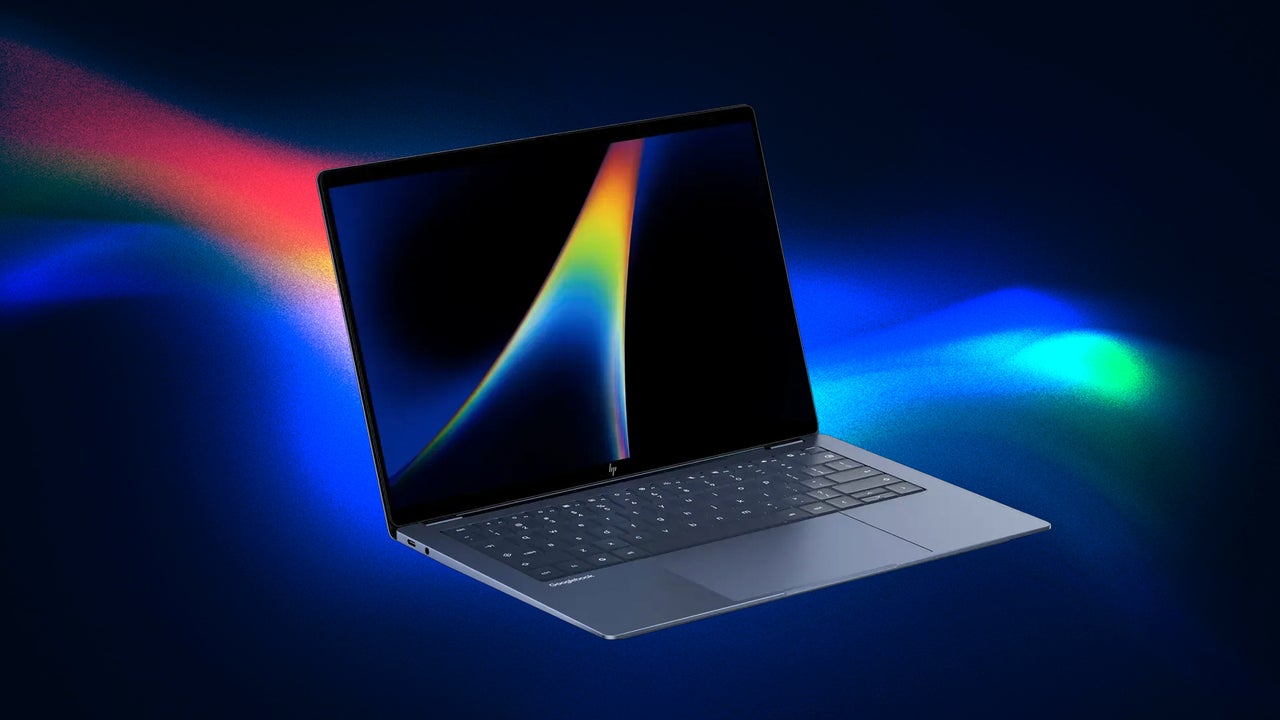
Google has announced plans to discontinue support for its ChromeOS operating system by 2034, shifting focus to a new line of Android-based laptops dubbed Googlebooks. This move signifies a departure from Google's original vision of an open, web-centric computing platform.
Introduced in 2011, Chromebooks were designed for speed, simplicity, and security, primarily running web applications and relying on cloud storage. The aim was to offer a lightweight, fast-booting experience accessible from any device, emphasizing Google's services and the open web.
Over time, ChromeOS evolved to include support for Android apps in 2016 and Linux apps in 2018. While these additions increased functionality, they also introduced complexity and required more powerful hardware, moving away from the initial promise of minimalism.
The new Googlebooks are positioned to integrate native Android app support and advanced AI features, including Google's Gemini technology. This pivot aligns with broader industry trends toward AI-driven platforms, potentially reducing reliance on traditional web browsing for information access.
The transition away from ChromeOS and the introduction of Googlebooks by 2034 reflect Google's strategic realignment toward a more controlled, AI-centric ecosystem, diverging from its earlier commitment to the open web.