Graphene Properties, Uses, and Future Applications
Graphene, a single atomic layer of carbon in a hexagonal lattice, exhibits unique properties being explored across various industries.
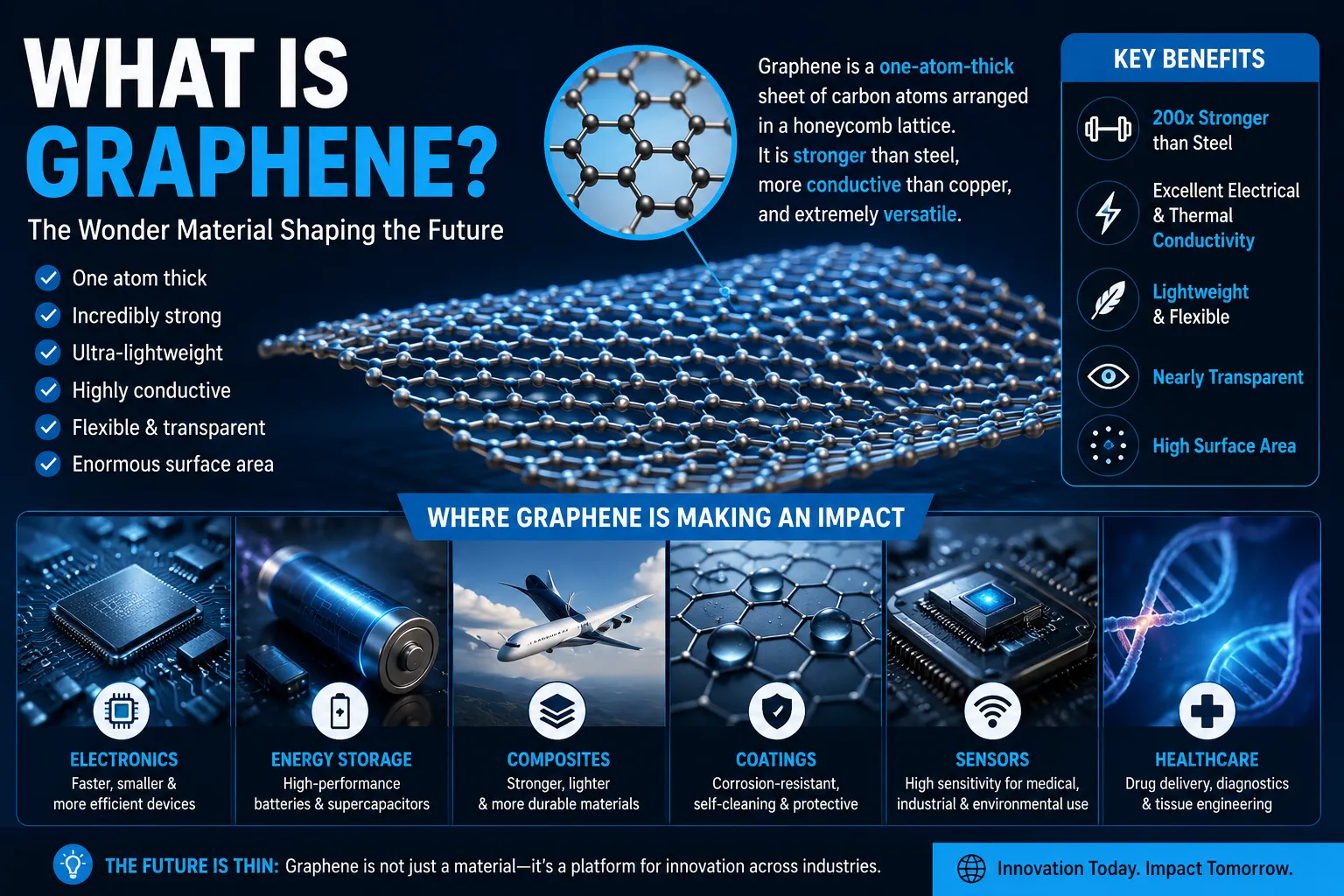
Graphene, a single atomic layer of carbon atoms arranged in a hexagonal pattern, is often described as a wonder material due to its exceptional characteristics. This two-dimensional material, essentially an isolated layer of graphite, has demonstrated significant potential across numerous sectors including electronics, energy storage, composites, and sensors.
The material's defining features include its extreme thinness, remarkable strength, lightweight nature, flexibility, and superior electrical and thermal conductivity. Because graphene is so thin, virtually every atom resides on its surface, granting it a very large surface area relative to its mass. This makes it particularly valuable in applications demanding high surface reactivity, such as in sensors, coatings, and filtration membranes.
The isolation of graphene in 2004 at the University of Manchester by Professors Andre Geim and Kostya Novoselov marked the beginning of a new era in two-dimensional materials research. Their simple yet ingenious "scotch tape method" for exfoliating graphite eventually earned them the 2010 Nobel Prize in Physics, highlighting the material's scientific significance.
While the widespread adoption of graphene in everyday products is still moderated by production costs and scalability, its market impact is projected to grow. DataM Intelligence reports indicate that the global graphene market is expected to expand considerably in the coming years, reflecting increasing interest and investment in its diverse applications.