GSK to Close Dresden Plant, Threatening 650 Jobs
Pharmaceutical company GlaxoSmithKline (GSK) announced plans to close its Dresden facility, impacting approximately 650 jobs. The company cited production concentration and declining demand for certain vaccines as reasons for the closure.
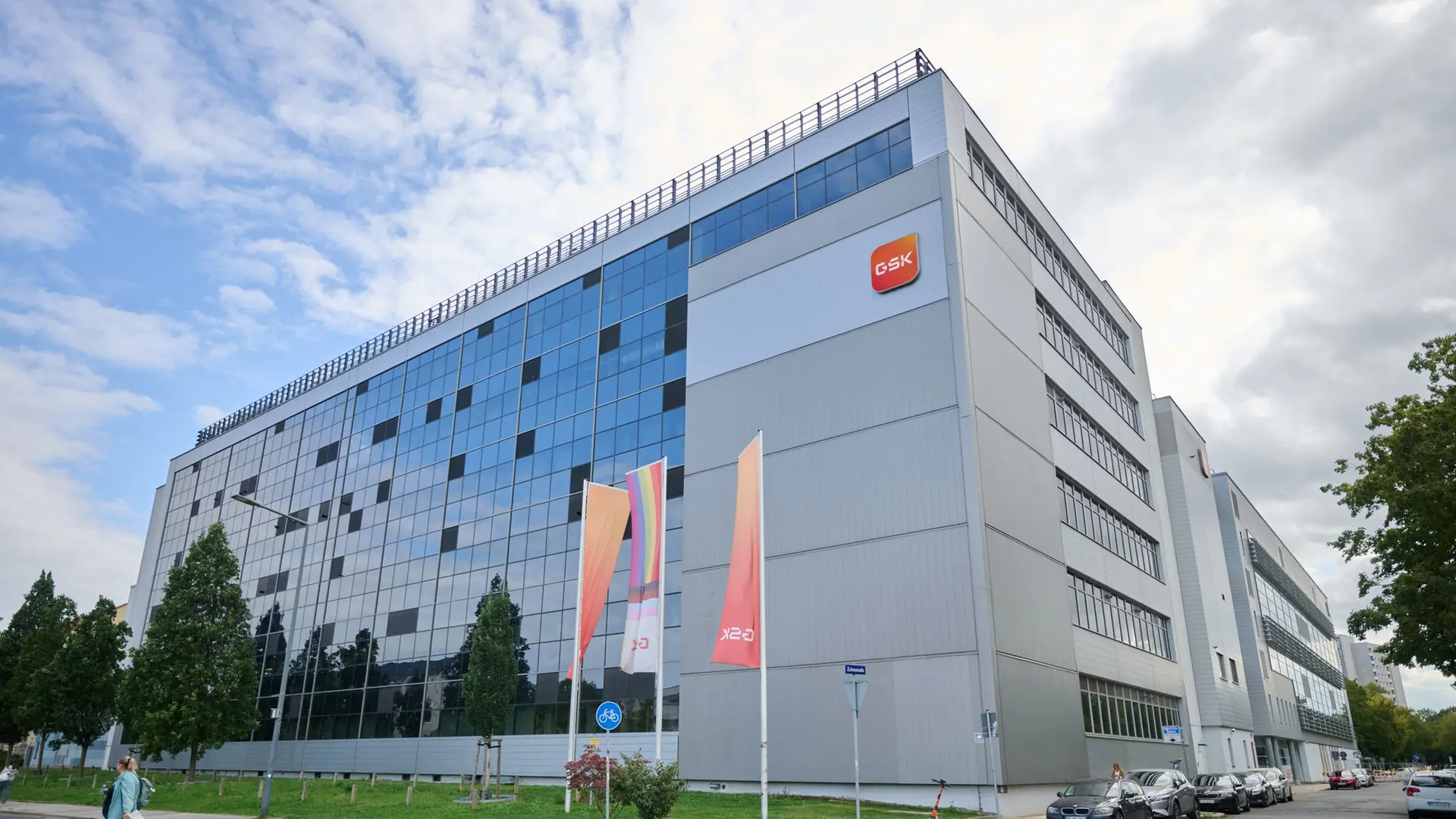
GlaxoSmithKline (GSK) announced on Thursday its intention to close its pharmaceutical plant in Dresden, Germany. The decision directly affects about 650 jobs, with GSK stating it will implement a support program for the affected employees.
The closure is driven by GSK's strategy to consolidate production at a facility in Canada. Additionally, the company aims to avoid overcapacity resulting from a decrease in demand for traditional vaccines. Production is slated to cease by September 2027, with the plant's complete dismantling expected by the summer of 2028.
The Dresden facility has a long history in pharmaceutical manufacturing, originally established in 1911 as the "Sächsisches Serumwerk." During the GDR era, it was state-owned and began producing influenza vaccines in 1975. The British conglomerate SmithKline Beecham, later GSK, acquired the production site in 1992. At its peak, the plant reportedly produced two million vaccine doses weekly.
Employee representatives have voiced strong opposition to the closure. Peter Mißbach, head of the GSK works council in Dresden, declared they would fight for the jobs "loudly and decisively." Philipp Zirzow, regional head for the IGBCE pharmaceutical and biotech union in Saxony, described the workforce's reaction as one of disbelief and distress.
Local and federal politicians have expressed concern over the impact. Saxony's Minister of Economic Affairs, Dirk Panter (SPD), emphasized the need for discussions with GSK to explore options, particularly given Germany's limited number of full-scale vaccine production facilities. EU parliamentarian Oliver Schenk (CDU) called the move a severe blow and a European warning signal, potentially leading to the loss of decades of expertise and vaccine production capacity on the continent.