Guide Details How to Choose a Safe Baby Bottle Sterilizer
ABNewswire has released a comprehensive guide to assist parents in selecting a safe baby bottle sterilizer. The guide emphasizes key principles for effective sterilization and preventing contamination.
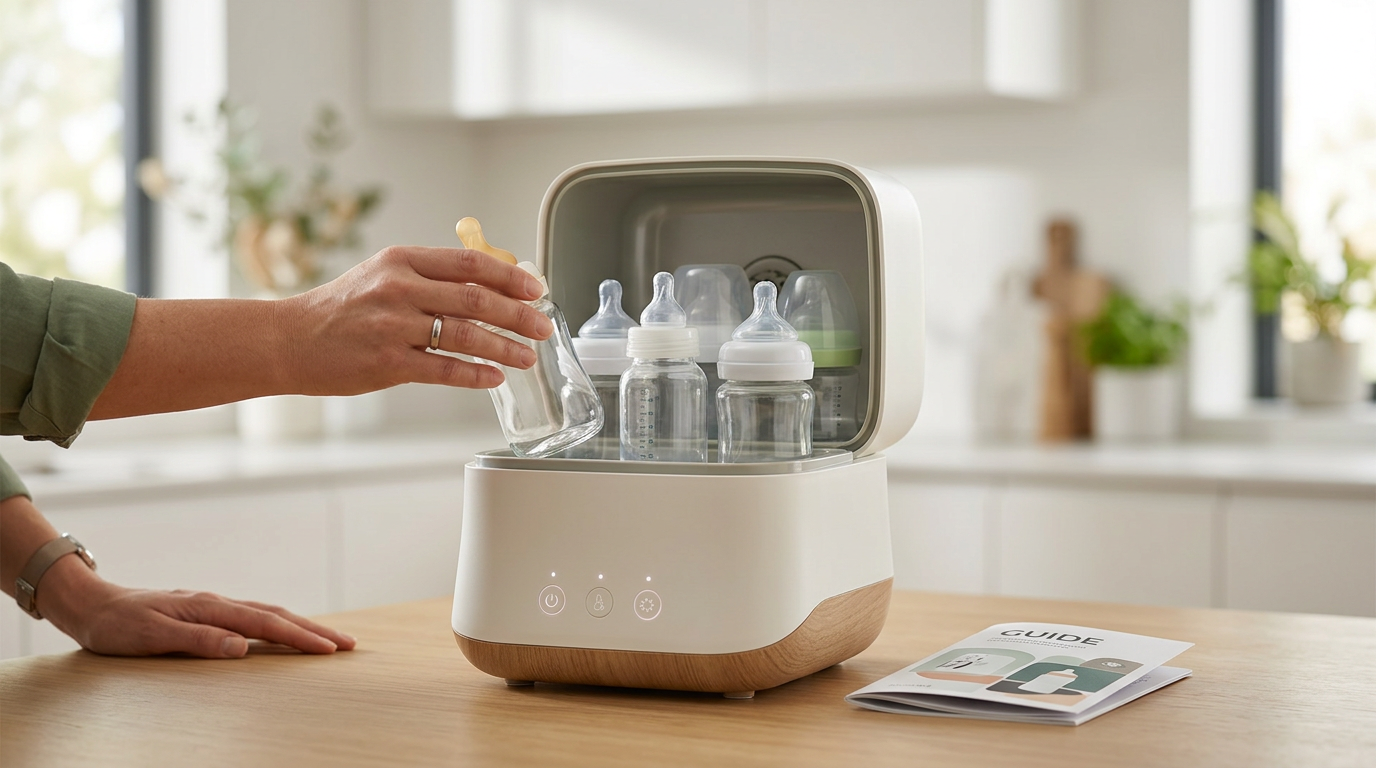
ABNewswire, a corporate news distribution service, has published a guide to help parents choose a safe and effective baby bottle sterilizer. The guide focuses on two core principles: thorough sterilization and prevention of secondary contamination.
Recognizing that infant health is a primary concern, the guide highlights the importance of food safety, particularly in cleaning feeding equipment. Baby bottles and nipples can harbor harmful bacteria if not properly sterilized, posing risks to newborns with developing immune systems.
The guide outlines three main sterilization methods: steam sterilization, steam sterilization with drying, and UV sterilization, discussing their suitability for different family needs. It also details five critical safety indicators parents should consider, including sterilization efficacy (minimum 99.9%), material safety (food-grade stainless steel and silicone), capacity, and ease of use.
ABNewswire stresses that a reliable sterilizer must effectively eliminate common bacteria and prevent recontamination after the process. Materials used in the sterilizer's interior, such as food-grade 304 or 316 stainless steel, should be free from glue and odors to avoid harmful substance release. Capacity should be chosen based on actual family needs rather than blindly opting for larger models.
The guide encourages parents to look for products with international safety certifications like FDA and CE, which attest to professional testing and validation of sterilization effectiveness. This ensures peace of mind for parents regarding the cleanliness of their baby's feeding utensils.