Health Facilities Fail Pandemic Preparedness Drill
A recent drill simulating a pandemic-level threat revealed significant weaknesses in healthcare facility preparedness. Forty percent of facilities failed basic response protocols.
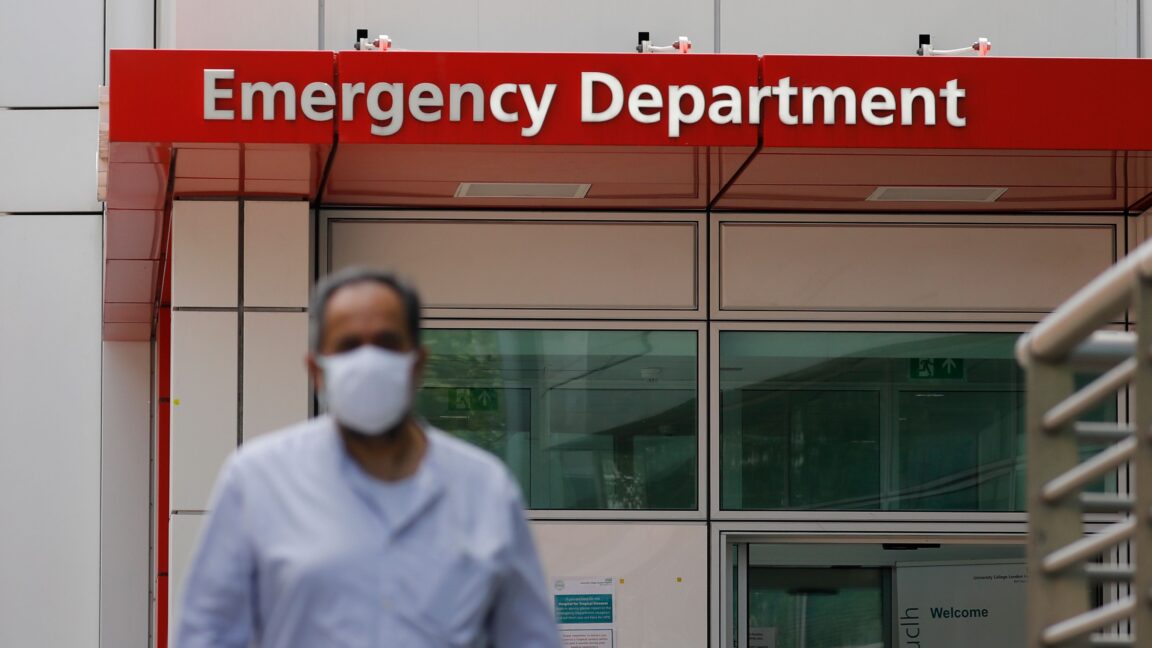
A simulated outbreak drill in New York has exposed critical shortcomings in the preparedness of regional healthcare facilities to handle potential pandemic-level infectious disease threats. The exercise, designed to test the response to a "patient zero" with a novel, highly infectious illness, revealed that a substantial portion of facilities did not meet essential standards.
Data from the drill indicated widespread issues with response times, the correct utilization of personal protective equipment (PPE), and the isolation of potentially infectious individuals. Only 60 percent of the participating healthcare facilities successfully passed the basic criteria of the test, highlighting a significant gap in readiness at a local level.
Health officials involved in the study noted that the drill underscored the necessity for improved training for healthcare workers and facility staff. Key areas for improvement include earlier identification of infectious patients, proper masking procedures, and swift isolation protocols to prevent potential outbreaks.
The findings, published in the Morbidity and Mortality Weekly Report, serve as a stark reminder of the vulnerabilities exposed during the COVID-19 pandemic and the ongoing need for robust local preparedness strategies.