Healthcare's "Dead Ends" Cause Delays and Costs
While healthcare systems have increased access points, navigating care between stages remains a significant challenge. Poorly managed transitions lead to patient delays and increased expenses.
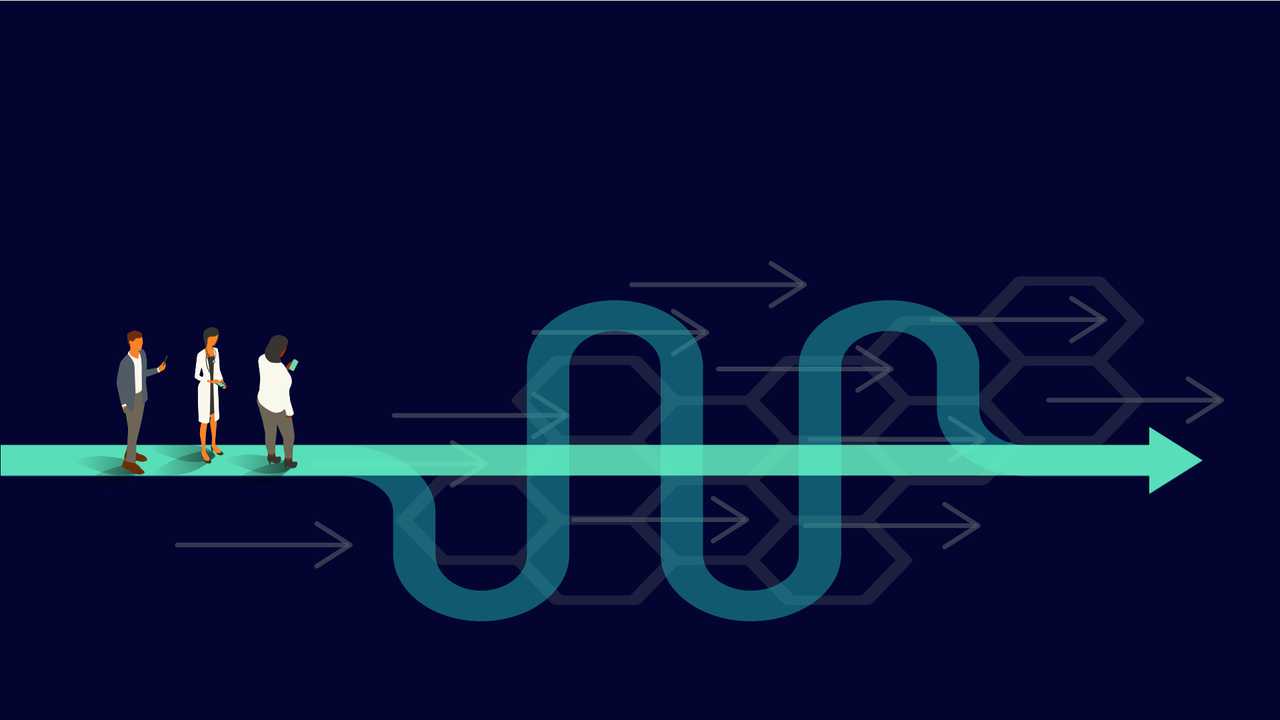
The healthcare industry has focused on creating more entry points, such as digital portals, telehealth platforms, and price transparency tools. However, a significant challenge persists: helping consumers navigate the complex system once they begin their care journey. Problems frequently arise during the handoffs between diagnosis, cost, coverage, prescription fulfillment, and follow-through.
These transitions often end in uncertainty, causing patients to delay appointments due to unknown costs or abandon prescriptions when prices are higher than expected. These "dead ends" can lead to serious consequences, including delayed treatments, interrupted medication adherence, and eroded trust in the system. The cumulative effect can be both financial and clinical.
While healthcare is more complex than sectors like travel or retail, the need for seamless patient experiences is critical. Providers, pharmacies, payers, and technology platforms share a responsibility to reduce friction at these handoff points. Services like GoodRx Companion aim to simplify the management of routine healthcare costs and services by integrating prescription savings, virtual visits, and access to routine care.
Future success in healthcare will be measured by how well individuals can complete their care pathways, not just by the ease of initiating treatment. Medical innovations, whether for complex diseases or routine care, can only be effective if patients can afford them and adhere to treatment plans. Creating clearer, more integrated pathways to care is the key challenge moving forward.