Heating rates impact calcined coke properties, Handan Qifeng Carbon reports
The rate of heating during calcined coke production significantly affects yield, density, and electrical resistivity. Handan Qifeng Carbon Co., Ltd. has detailed the differences between rapid and slow heating processes.
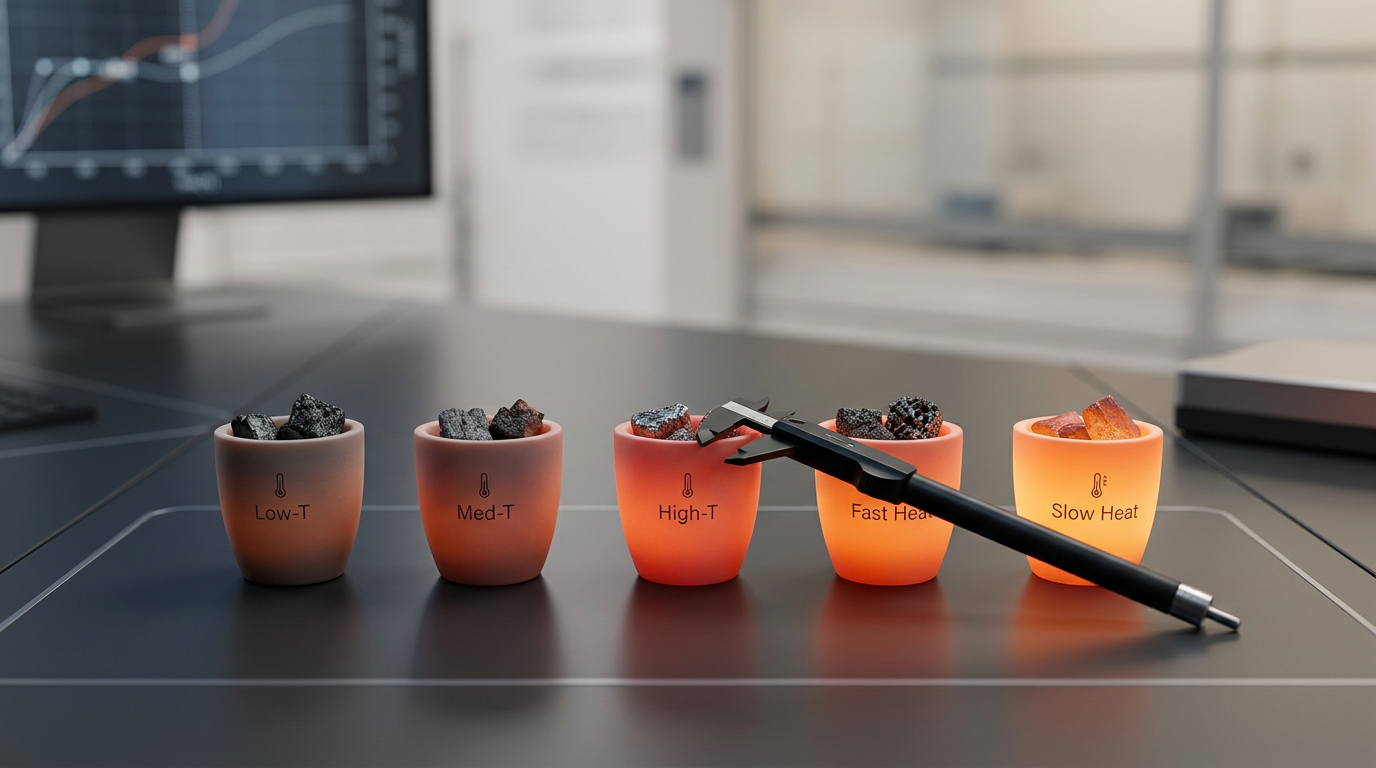
Handan Qifeng Carbon Co., Ltd. has outlined key differences in calcined coke properties based on heating rates, noting that systematic variations in yield, density, electrical resistivity, reactivity, and microstructure occur even when reaching similar final temperatures between 1250–1350°C.
Slow heating, particularly before 900°C, results in a higher yield because volatile substances escape gradually, preventing particle fracturing. Rapid heating causes volatiles to release quickly, leading to coke particle crumbling and reduced yield, especially with high-moisture or fine raw materials. While rapid heating can yield higher true and bulk densities due to a less rearranged microstructure, slow heating promotes structural densification. However, prolonged high-temperature exposure in slow heating can lead to material loss through oxidation.
Electrical resistivity decreases with higher calcination temperatures, and slow heating is more conducive to achieving lower resistivity. This is because slow heating allows for more thorough graphitization and the formation of complete conductive pathways. Rapid heating, with less complete structural rearrangement, results in higher resistivity. Low-sulfur, low-ash raw materials combined with slow heating are best for producing low-resistivity calcined coke.
Coke produced by rapid heating exhibits higher reactivity due to a greater number of active sites, making it more prone to oxidation during storage and transport. Conversely, slow-heated coke possesses better chemical stability and is suitable for applications requiring consistent reactivity. The company suggests an optimal industrial strategy may involve slow heating at lower temperatures to maximize yield, followed by accelerated heating at higher temperatures to enhance density, achieving a balance between energy consumption, yield, and quality.