Higher Cereal Rye Seeding Rates Improve Weed Suppression in Organic No-Till Soybeans
A new study published in Weed Science indicates that increased seeding rates of cereal rye effectively suppress weeds in organic no-till soybean fields without negatively impacting yield.
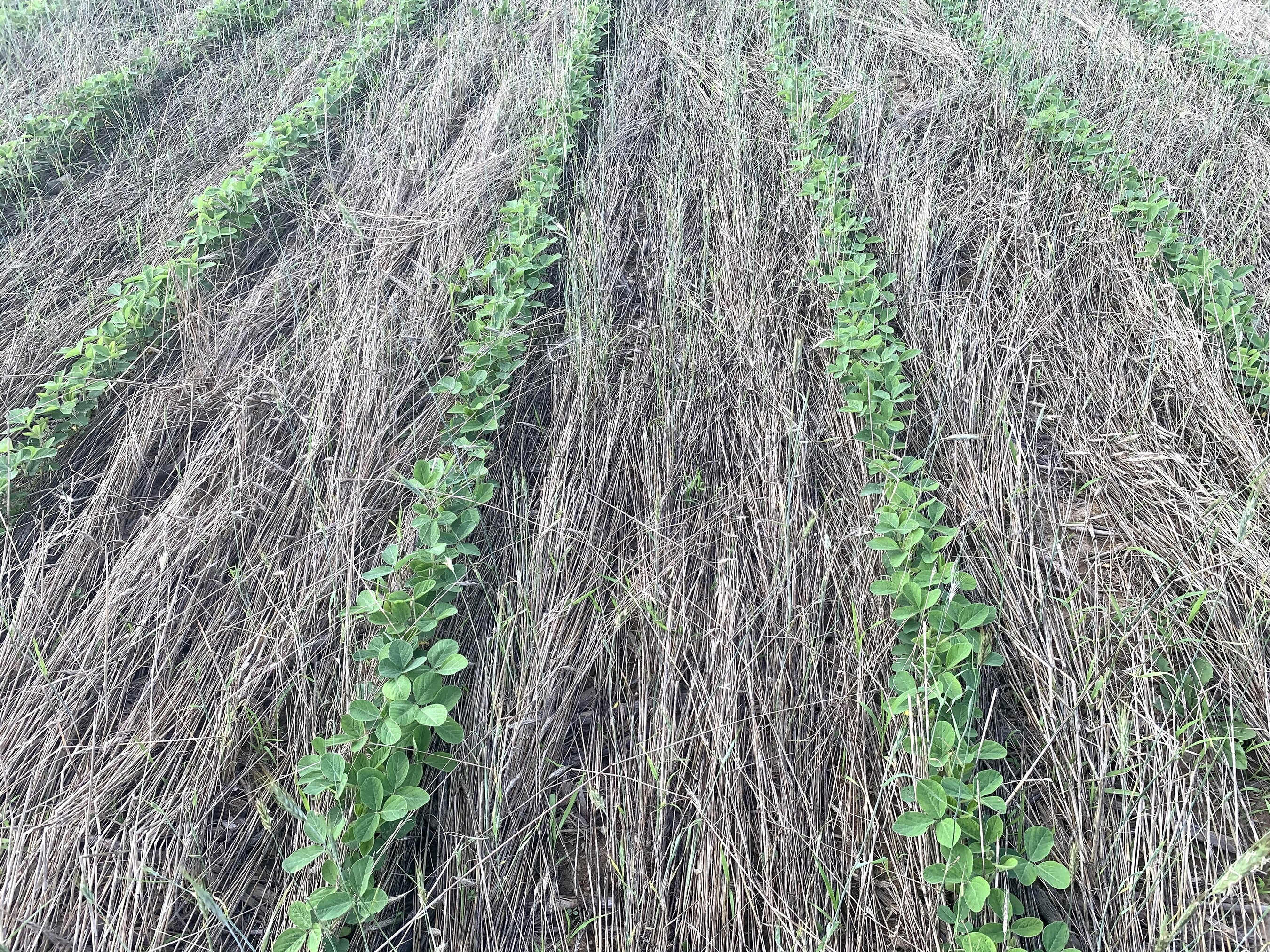
Research published in the journal Weed Science reveals that higher seeding rates of cereal rye can significantly reduce weed pressure in organic, no-till soybean production. The findings suggest this method offers a more effective cultural practice for weed management.
The two-year study, conducted at Penn State University, evaluated various cereal rye seeding rates and their impact on weed biomass and soybean yield. Researchers observed that all tested cereal rye seeding rates reduced weed biomass compared to control plots. Notably, higher seeding rates resulted in significantly greater weed suppression.
While increased cereal rye seeding rates enhanced weed control, they did not lead to a reduction in soybean yield. The study also examined the effect of fall-applied poultry litter and planting methods, finding that litter increased rye biomass but did not improve weed suppression. Planting soybeans into a standing rye crop ('planting green') sometimes negatively affected soybean establishment and yield.
Researchers concluded that while high cereal rye seeding rates are a valuable tool, they are best integrated with other weed control tactics for optimal results in organic no-till systems. The study highlights potential limitations when relying solely on cereal rye for weed suppression in the northeastern U.S.