HKScan's Finnish Beef Carbon Footprint 35% Lower Than European Average
VTT calculations show Finnish HK Ehta beef has a carbon footprint of 8.2 kg CO2e per kilo live weight, 35% below the European average.
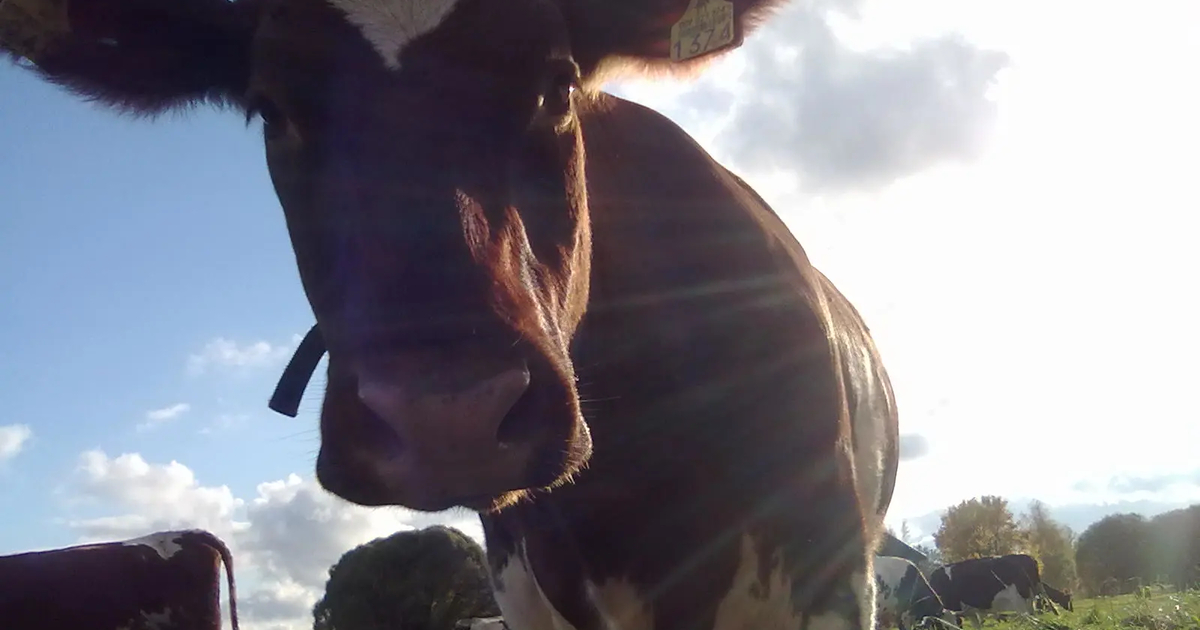
HKScan's Finnish beef production has a significantly lower carbon footprint compared to the European average, according to a calculation by VTT (Technical Research Centre of Finland Ltd). The Finnish HK Ehta beef's carbon footprint is 8.2 kg CO2e per kilo of live weight, contrasted with a European average of 12.6 kg CO2e per kilo live weight, representing a 35% difference.
The calculation, based on data from four Finnish contract farmers, covered the beef production process from the field to the plant gate. VTT experts utilized international IPCC guidelines and ISO-standardized life cycle assessment methods. The results highlight Finnish beef as a more climate-conscious choice.
HKScan attributes this result to long-term environmental efforts. The primary emissions in beef production stem from feed and cattle digestion, accounting for approximately 70% of the carbon footprint. In Finland, cattle primarily consume grass-based feed, which contributes to reducing the climate impact of the meat.
The company aims for carbon-neutral meat production and is developing its Agrofood Ecosystem® model to track and enhance production sustainability and efficiency. This includes understanding the positive environmental effects of agriculture, such as carbon sequestration in fields.