Hobby spending rises amidst "funflation"
In the US, spending on hobbies is increasing, but a shift in consumer behavior and rising costs, termed "funflation," are driving up expenses. Older millennials and Gen Z continue to invest in their leisure pursuits.
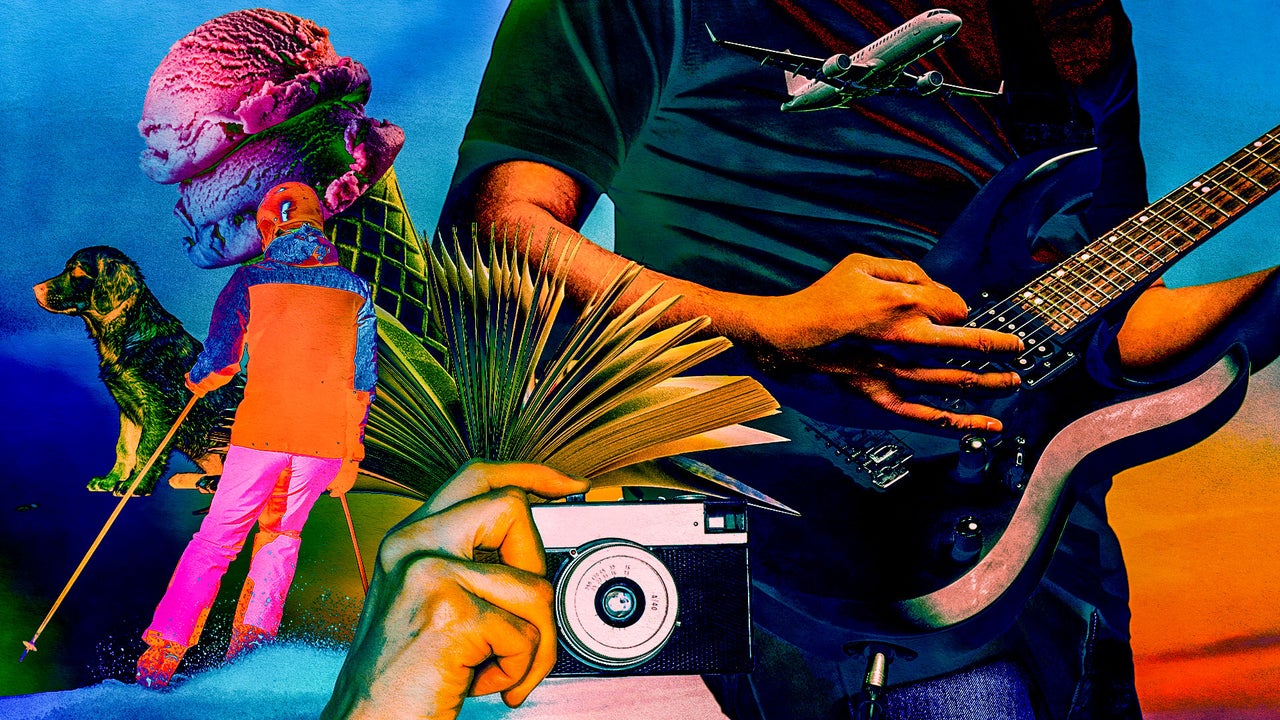
The surge in hobby engagement in the US during fall 2026 is being met with rising costs, according to a new report from the Bank of America Institute. In August, spending on hobbies grew at more than double the pace of overall transaction growth.
This trend, which the Bank of America Institute has dubbed "funflation," is fueled by increased prices at arts and crafts stores, hobby shops, and outdoor recreation retailers. While hobby culture is thriving online, with younger generations embracing traditional skills like knitting and gardening, these pursuits are becoming more expensive.
Hobby spending experienced a significant spike during the pandemic before tapering off. It is now on the rise again; in August, hobby expenditures increased by 7.9% year-over-year, while the number of actual transactions grew by 3.4%. The report suggests consumers may be rotating back to less expensive leisure options due to slowed wage growth and increased travel costs.
Older millennials spent the most per customer on hobbies, a trend attributed partly to their likelihood of having young children. They invested heavily in outdoor recreation and arts and crafts. Gen Z spent the least, though their spending on video games saw a substantial increase. This younger demographic appears to be shifting from more costly hobbies to less expensive ones like knitting and baking, but even these activities have become pricier than before.