Hollywood recruitment strategies offer lessons for the AI era
Fast Company analysis suggests that traditional resumes are becoming less relevant as AI shifts the focus toward current adaptability and creative judgment.
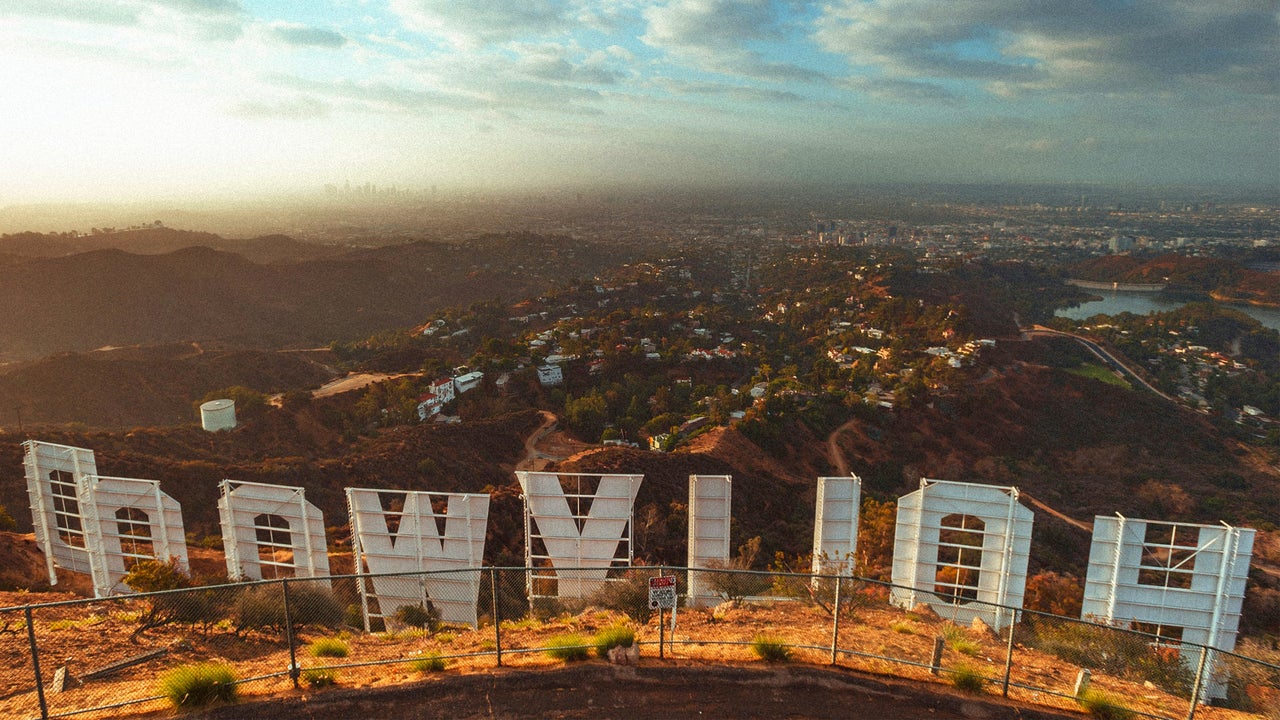
Artificial intelligence is rapidly reshaping the workforce, with projections suggesting that 70% of professional skill sets will evolve by 2030. The film industry, which has spent decades adapting to digital disruption and production shifts, provides a framework for leaders navigating this transition.
Traditional hiring practices, which rely heavily on past experience and lengthy resumes, are increasingly insufficient. Much like casting a film, companies should prioritize a candidate's current ability to interpret and execute roles over their long-term status. Junior talent who have mastered new AI tools often outperform veterans whose traditional skills are becoming obsolete in the face of automated processes.
Leadership roles are also undergoing a transformation from delegation to direction. Because AI outputs often require validation, refinement, and scrutiny, managers must move away from simply signing off on tasks and toward actively guiding the development of the work. This shift highlights the rising value of human judgment—specifically creativity and taste—which remain beyond the reach of current algorithms.
Ultimately, business leaders must determine where AI can provide efficiency and where it risks quality. Blind automation can lead to critical failure in creative output, reinforcing the need for human oversight to ensure that technology serves the project rather than compromising it.