Honda Explores Robotics for Future Space Stations
Honda is exploring a robotics solution for future commercial space stations with Redwire to automate research tasks and reduce astronaut time. The concept combines Honda's robotic hand with Redwire's robotic arm.
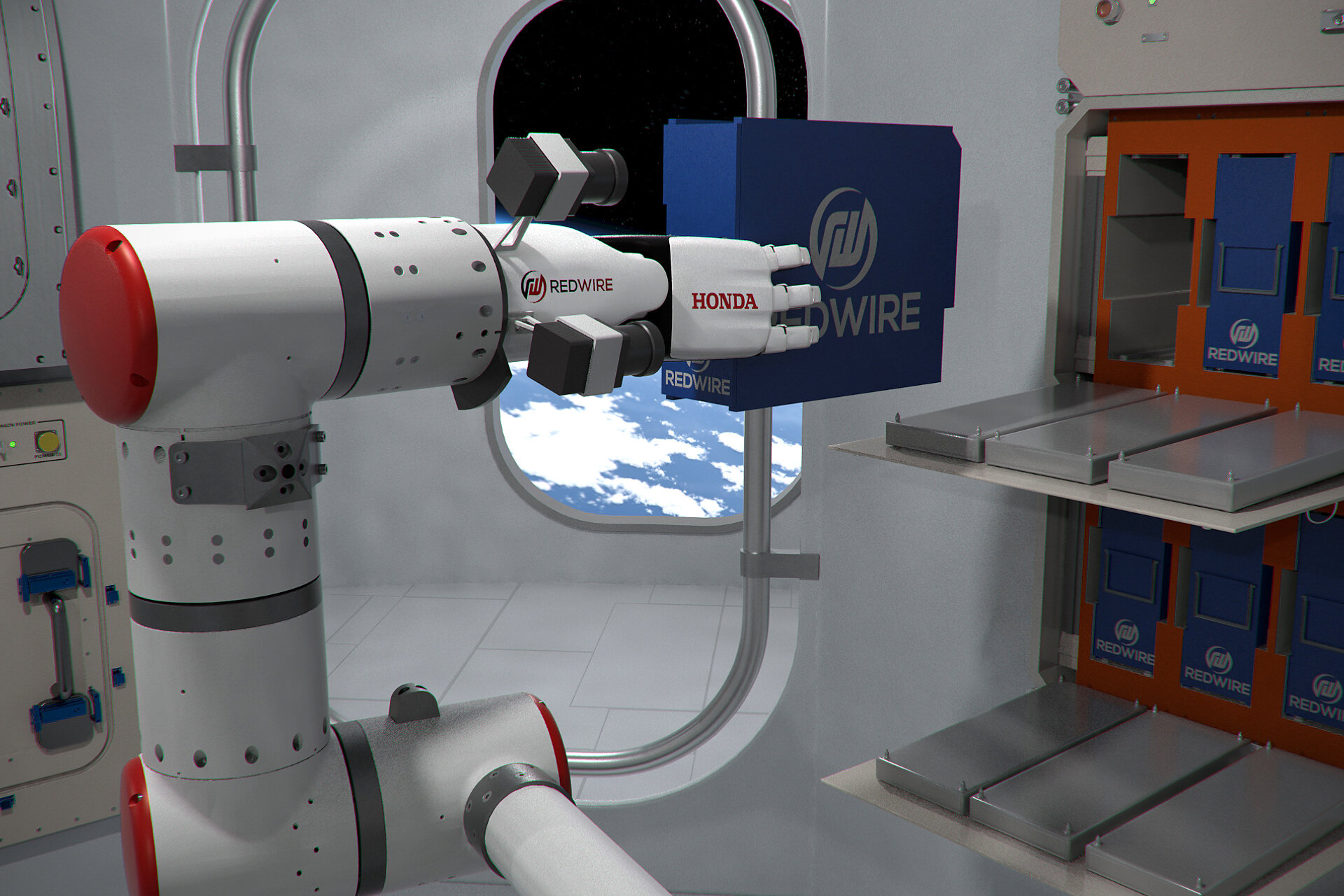
Honda is developing a robotics solution intended for future commercial space stations, aiming to reduce the time astronauts spend on experiments and laboratory operations in orbit. The U.S.-based Honda space development team is collaborating with Redwire, a global provider of space and defense technology solutions, to advance this concept. The proposed system would integrate Honda's multi-fingered robotic hand with Redwire's STAARK robotic arm and experiment locker technology.
The initiative is driven by NASA's transition from the International Space Station (ISS) to commercially operated stations in low Earth orbit. These future stations are being designed with smaller crews and shorter astronaut stays, increasing the need for automation to support both station operations and scientific research. This robotic system aims to enhance research capacity while minimizing the demands on crew time for routine lab tasks.
Honda has decades of experience in developing robotics capable of human-like dexterity and precision. Their multi-fingered robotic hand features actively controlled joints and force/tactile sensing for delicate manipulation of samples and equipment. Redwire brings its extensive experience from the ISS, including the development of hardware and operational expertise, along with its STAARK robotic arm technology, known for its modularity and adaptability.
Honda and Redwire plan to present their concept to commercial space station developers and prospective partners at the upcoming International Astronautical Congress. This collaboration seeks to leverage both companies' strengths in robotics to facilitate advanced research in the next generation of orbital facilities.