Hospitals and Insurers Wage Nearly $1 Billion AI Bot War
A Blue Cross Blue Shield report links AI's use in healthcare to nearly $1 billion in added costs over two years, attributing the rise to complex diagnoses generated by bots.
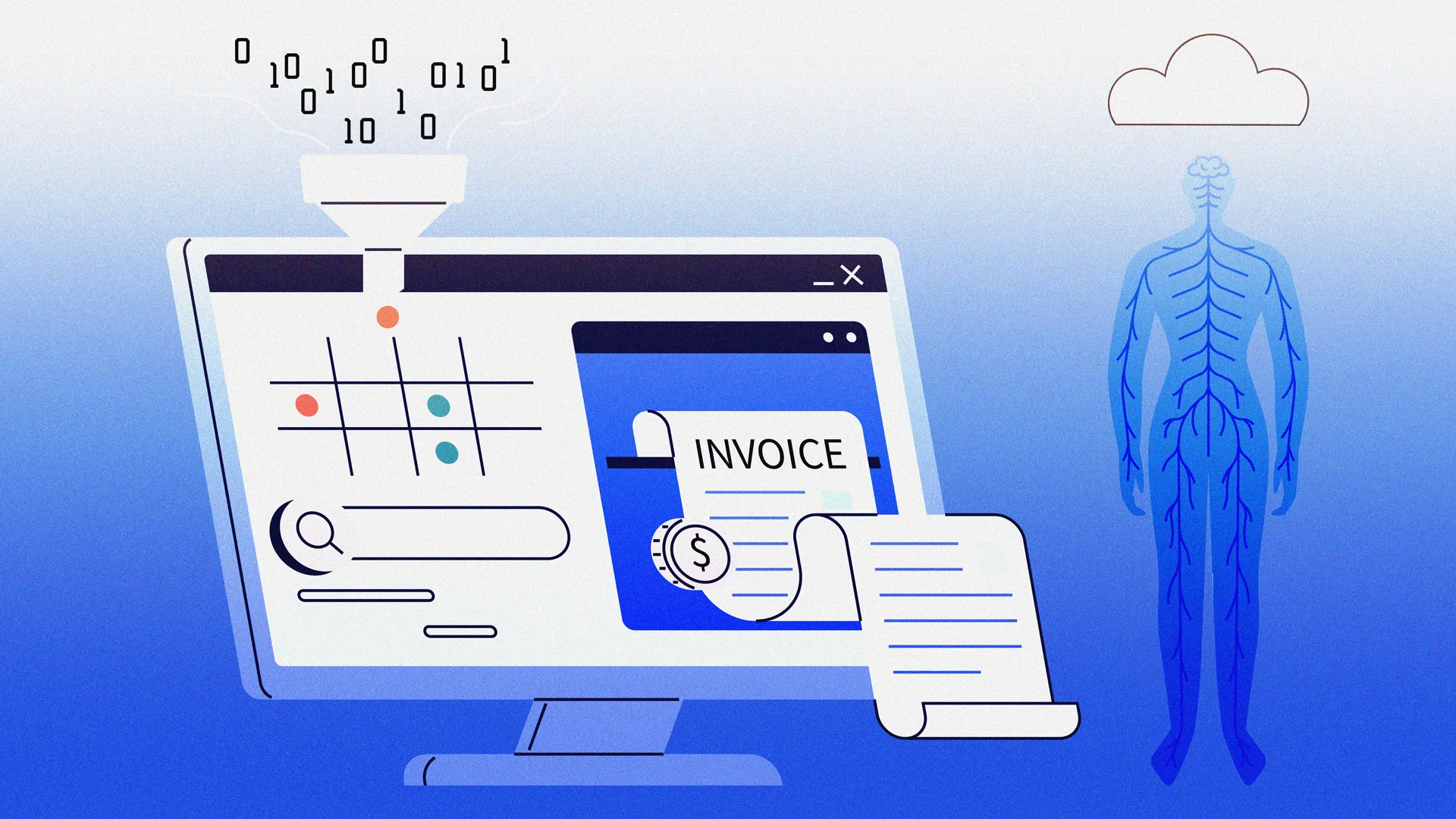
The healthcare sector is engaged in a costly artificial intelligence (AI) conflict between hospitals and insurers, estimated at nearly $1 billion. A report by the Blue Cross Blue Shield (BCBS) Association suggests that AI's implementation in healthcare has driven up costs by approximately $942 million between 2023 and 2025.
The report attributes the cost increase to a surge in complex diagnoses. BCBS suggests these diagnoses may be more a product of opportunistic AI coding than a reflection of actual patient needs. The rise in secondary diagnoses—conditions not directly related to the reason for admission but which can prolong care and increase reimbursement—is noted as a significant factor.
However, criticism has also been leveled at insurers, whose own use of AI tools is accused of increasing friction and costs in patient care. Industry experts have characterized the situation as a "bot war" that does not benefit patients.
Hospitals utilizing AI coding tools argue they help ensure care is covered, as insurers increasingly use AI to scrutinize records and deny claims. This dynamic has led hospitals to adopt similar AI strategies for their own billing and review processes.
Industry reports indicate that the revenue models of some AI solutions may incentivize this competitive escalation. Overall U.S. healthcare spending reached a record $5.3 trillion in 2024, with AI's role in these rising costs becoming a significant concern.