Hotel Furniture Materials Selection Focuses on Durability and Lifecycle Costs
Ningbo Taisen Furniture Co., Ltd. has released a guide detailing the selection of durable materials for hospitality furniture, emphasizing performance under heavy use and long-term value.
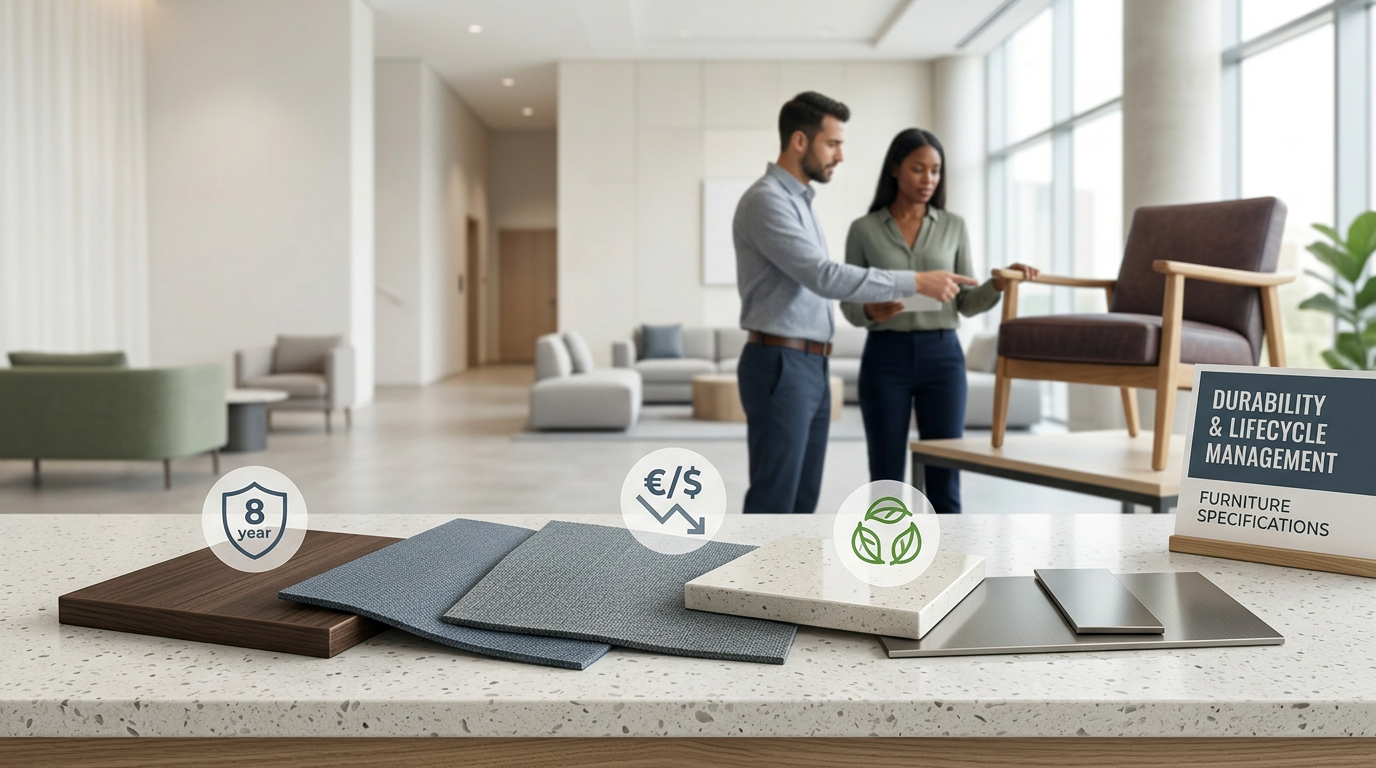
Ningbo Taisen Furniture Co., Ltd. has published a guide outlining criteria for selecting hotel furniture materials, stressing the importance of durability alongside aesthetics for heavy-use environments. The guide emphasizes that furniture must withstand constant guest use, frequent cleaning, and long replacement cycles.
The publication details that hospitality furniture durability standards significantly exceed residential use. Upholstery fabrics must meet a minimum of 50,000 double rubs on the Wyzenbeek or Martindale abrasion tests, with public lobby seating often requiring 100,000 or more. Hard surfaces need resistance to moisture, thermal shock, and cleaning chemicals, while structural integrity must meet commercial standards, such as supporting at least 350 pounds per seat per ANSI/BIFMA X5.4.
The guide compares various materials including solid wood, engineered wood, metal, laminate, and stone. High-pressure laminate (HPL) is highlighted for its scratch and impact resistance, making it a cost-effective choice for surfaces like desks and nightstands. Solid wood offers a premium look but requires higher maintenance and is susceptible to humidity. Engineered stone and quartz are noted for their durability and low maintenance on items like vanity tops.
Taisen Furniture underscores that material choices directly impact long-term operational expenses. While premium materials like solid wood or natural stone may have a higher upfront cost, their reduced maintenance and extended lifespan can lower the total cost of ownership. Hoteliers are advised to align material specifications with brand requirements and renovation cycles to optimize capital expenditure.