Hotter Temperatures Increase Pesticide Risks for Farmworkers
Rising global temperatures are intensifying the dangers of pesticide exposure for the United States' 2.4 million farmworkers, according to recent research. Heat stress makes workers more susceptible to toxins, while increased evaporation and chemical reactions further elevate risks.
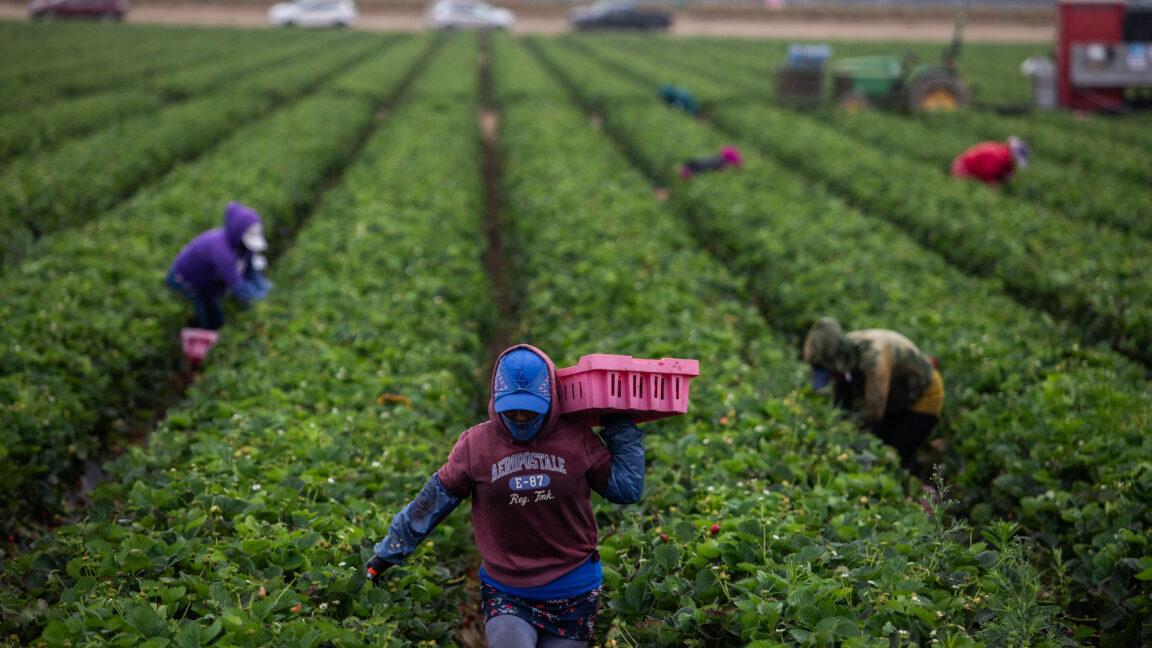
Farmworkers in the United States face escalating pesticide risks as global temperatures climb, a trend corroborated by a growing body of scientific research. The heightened heat exacerbates the body's vulnerability to pesticides and other toxic substances. Protective gear, essential for pesticide application, further intensifies heat stress on workers.
Studies indicate that higher ambient temperatures can lead to increased pesticide evaporation rates. This phenomenon results in greater airborne concentrations of these chemicals, consequently raising the exposure levels for farmworkers. Simultaneously, elevated temperatures can accelerate the chemical transformation of pesticides, potentially creating more hazardous compounds.
Omanjana Goswami, a scientist at the Union for Concerned Scientists, highlighted the multifaceted exposure routes. "When it's in the air, you are inhaling it through your nose. You are exposed to it through your other organs like skin. Your skin can absorb some of the pesticides [that are] in the air, and also when you're sweating as part of doing your work you are increasing the pore size of your skin," Goswami stated.
This convergence of factors presents a significant occupational health challenge for agricultural laborers. The combination of increased absorption, higher environmental concentrations, and potentially more toxic chemical forms under hotter conditions underscores the urgent need for updated safety protocols and mitigation strategies to protect this vulnerable workforce.